Looking to spice up the usual mix of vegetables in your garden this season? From mild to wild, chili peppers are perfect for adding a little zing. Their bright colors and fiery heat pack a punch both in the garden and on the table.
Chilies are used worldwide and are a key ingredient in many cuisines, including Mexican, Thai, Asian, and Caribbean. Plant a few in your garden this spring, and you’ll not only improve your gardening skills but also add a world of zesty, new flavors to your table.
From mild and friendly to “why did I do this to myself,” there’s a chili pepper for every gardener!

A Quick & Spicy History Lesson
Chili peppers originated in Central and South America, where Indigenous peoples domesticated them thousands of years ago. By the time Europeans encountered them—and tasted their fiery flavors—chili peppers were already deeply ingrained in the cuisines, medicines, and traditions of many cultures.
When explorers carried peppers across oceans, they spread like wildfire. Countries adopted, adapted, and created regional “signature” varieties. Think of Mexican poblanos, Thai bird’s eye chilies, Indian bhut jolokia (hello, ghost pepper), and Caribbean Scotch bonnets.

Today, chilies are among the most widely grown crops globally—the United States ranks among the top five consumers—and for good reason. They thrive in gardens, spice up culinary dishes, and can bring both joy and a touch of panic to the table. What’s not to love?
Fresh vs. Dried: One Pepper, Two Personalities
Here’s where chili peppers get interesting: many of them have two identities. Fresh and dried versions often have entirely different names—and flavors. Take the poblano, for example. When fresh, it’s perfect for stuffing or roasting. Dry it, and it becomes an ancho—sweet, smoky, and great for making sauces.

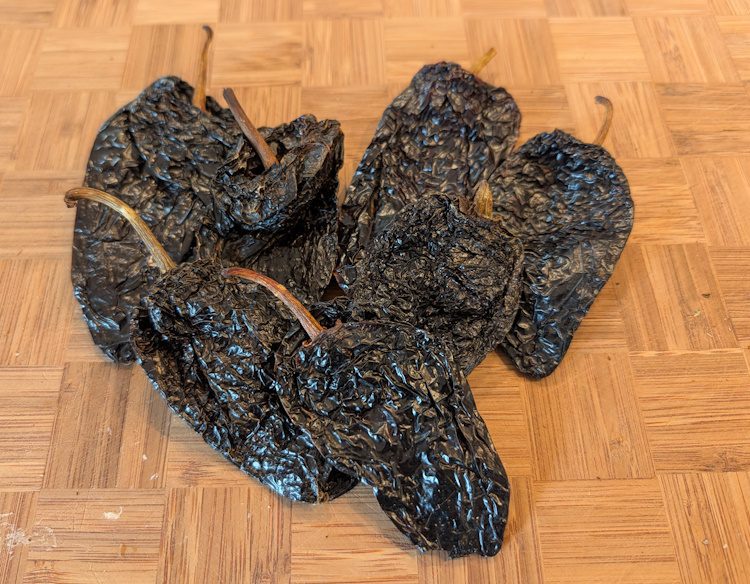
Jalapeños become chipotles when smoked and dried, shifting from crisp, green heat to an earthy, deep, almost chocolaty (yet spicy) flavor. Cayenne, usually used fresh, becomes the ubiquitous dried powder you sprinkle on everything… or regret sprinkling on everything.
Fresh Dried
Jalapeño = Chipotle
Poblano = Ancho
Anaheim = Colorado
Mirasol = Guajillo
Fresh peppers usually have a grassy, bright, and sometimes fruity flavor. Drying them deepens and concentrates flavor, adding depth. If you haven’t cooked with dried chilies, you’re missing out on a world of earthy deliciousness.
As peppers ripen, their color often shifts from green to red, yellow, or orange. If you see your jalapeños blushing—don’t panic. They’re just becoming more flavorful and spicier.
Meet the Scolville Scale: Who’s Hot and Who’s Not
Have you ever accidentally bitten into a chili pepper thinking it was a sweet pepper? Oh yeah… one word: Ka-BOOM. Hopefully, this is something you only do once, then learn to take a nibble before noshing.
But that’s precisely what we love about chili peppers: these fiery fruits deliver bold flavor, vibrant color, and just the right touch of chaos to keep things exciting.
The heat levels of chilies vary from mild, like poblanos, to the mouth-melting intensity of the Carolina Reaper. Luckily, the Scoville scale outlines the range of spiciness, so you know what’s hot… and hotter.
Created by pharmacist Wilbur Scoville in the early 1900s, the scale measures capsaicin, the compound responsible for peppers’ heat. Scoville Heat Units (SHUs) range from zero (sweet bell peppers) to over two million (Carolina Reaper).

The Scoville (Pain) Scale:
- 0–2,000 SHU: Bell, Anaheim — mild and friendly
- 3,500–8,000 SHU: Jalapeño, Serrano — the “I can handle this” zone
- 30,000–50,000 SHU: Cayenne, Thai — noticeable heat, possible sweating
- 100,000–350,000 SHU: Habanero, Scotch Bonnet — handle with respect
- 1,000,000+ SHU: Reaper, Ghost Pepper, Trinidad Scorpion — sign a waiver first
And here’s a fun gardening fact: environmental stress increases heat. Less water, hotter weather, and nutrient-poor soil can intensify the burn in chili peppers. So be careful— even a mild chili pepper can toss in a zinger now and then.
Choosing the Right Pepper for Your Garden
Peppers are warm-season vegetables that need at least 6 hours of sunlight daily. In spring, they require warm soil to establish (at least 75 degrees Fahrenheit), and they thrive in summer’s heat.
Most pepper plants grow to about 30 inches tall and make excellent choices for container gardening. Their bright colors and unique shapes add visual interest, making them an attractive edible ornamental in the garden.

When choosing what to grow, consider your culinary goals. Are you making salsas, hot sauce, or drying peppers for powder or flakes? Some varieties, despite their heat, have great flavor, while others are simply out to get you.

I recommend trying jalapeños, poblanos, and, for a little extra kick, Thai peppers for drying into chili flakes. All are readily available, either started from seed or purchased as transplants from your local nursery in the spring.
Harvesting & Handling Without Regrets
Fresh chilies can be harvested when they are green (immature) or at any stage of ripeness (once they begin to change color). They tend to become spicier as they ripen, so harvest accordingly.

If you’re planning to dry the chilies, harvest them when fully ripe and let them dry in a place away from direct sunlight. This can take several weeks, depending on the chili’s thickness, moisture content, and humidity. Of course, a dehydrator or a low oven can speed up the process.
When harvesting, it’s best to wear gloves (unless you want a tingle in places you really don’t want). Use snips to remove the fruit from the plant instead of tugging; this helps prevent damage to both the fruit and the plant.
Don’t Fear the Heat
With so many vibrant and flavorful chili peppers to explore, growing them can be a fun and rewarding way to add spice to your garden and kitchen—even for beginners. So go ahead—include some spicy plants in your garden plan this season. And who knows? You might discover your new signature heat level. Just keep a gallon of milk nearby for safety.





Leave a Reply