Every spring, it happens just like clockwork. The sun appears, the seed catalogs have done their job, and gardeners across our region begin thinking about planting tomatoes.
But while we’re all waiting for that mid-May “safe to plant” date, the garden beds sit empty—waiting.
Meanwhile, a whole season is unfolding right before our eyes—one that thrives in cool soil, isn’t bothered by a little frost, and can supply fresh produce to your table weeks before your first tomato plant even considers going in the ground.
April isn’t too early to start gardening—it’s an opportunity. Cool-season vegetables like lettuce, peas, spinach, radishes, and more let you plant and harvest early, and garden more efficiently.
Why April Planting Works
Let’s face it, if it snowed in May, it’s probably going to snow in April too. But planting in April isn’t as risky as it appears— for cool-season crops, it’s actually ideal.
Hardy spring vegetables grow well in colder soil and cool air temperatures, and most can survive light frost.
Spring rains promote strong early growth, and many cool-season seeds germinate at lower temperatures than you might expect. Another bonus: there are significantly fewer pest and disease problems in early spring (a true hidden advantage).
Soil Prep: Keep It Simple
Before you jump in with your trowel, make sure your soil is prepared. If you amended your soil last fall with compost (you get a gold star), there isn’t much left to do.
However, consider the following:
- Is your soil workable? Workable soil should be crumbly, not soggy or wet. If a handful you squeeze drips water, wait before working the soil. Working wet soil causes compaction and hard clumps. If it falls apart easily, you’re ready to go.
- Gently loosen the top layer of soil. If you mulched last fall (another gold star), rake the material to one side of the bed and lightly loosen the top layer. Avoid heavy tilling—this isn’t the time for it. It damages soil structure and leads to compaction.
- Add compost if needed. A 2-inch layer enhances soil structure and nourishes soil life. There’s no need to dig it in.
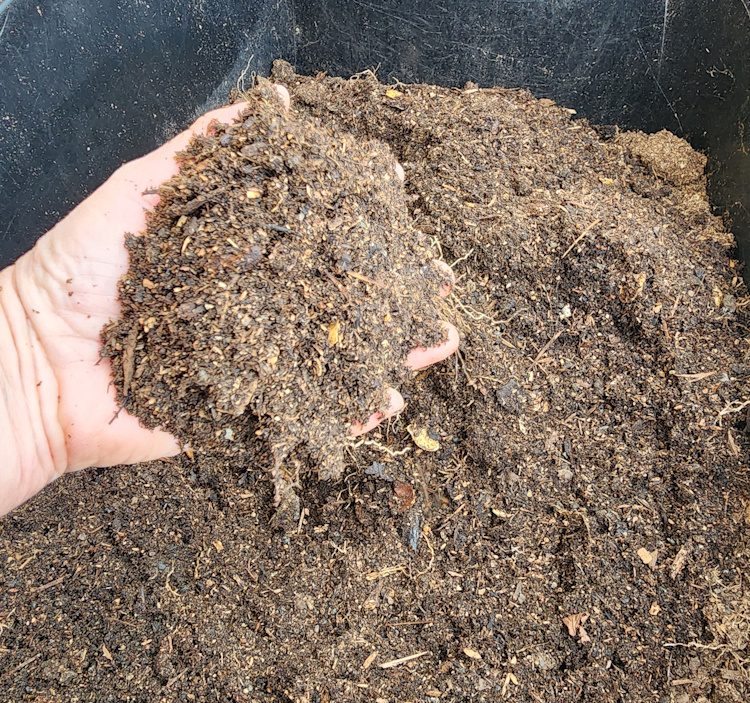
Raised beds heat up faster, but in-ground gardens catch up quickly. If beds remain frosty, cover them with clear plastic for a week to warm the soil.
The Fun Part: What to Plant in April
There are many options for cool-season crops, but an important factor is how quickly they mature. Most early spring crops are ready in less than 60 days—some in as little as 30. They’re meant to produce before summer heat arrives.
If this is your first time planting early, start small with easy crops like lettuce, greens, or peas. You can also get a head start by buying transplants instead of direct-sowing.
If your garden isn’t quite ready or space is limited, containers work well for cool-season plantings—even for root crops like carrots—as long as the container is at least 12 inches deep.
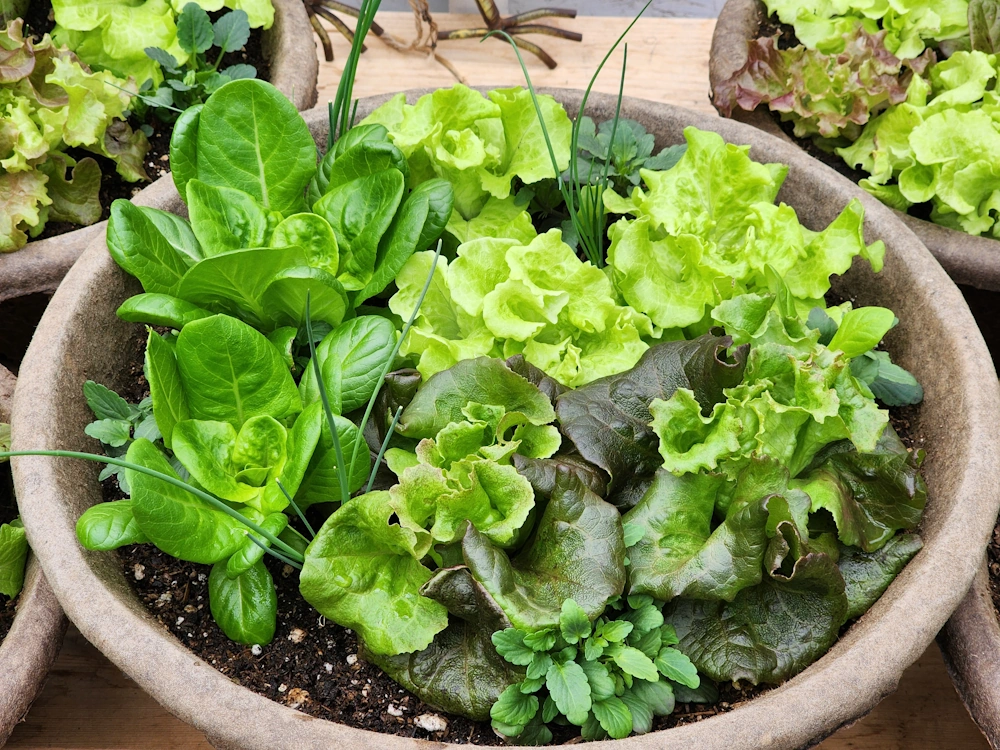
Remember that root crops (radishes, beets, carrots) grow best when seeded directly. They don’t tolerate root disturbance.
Here are a few standouts:
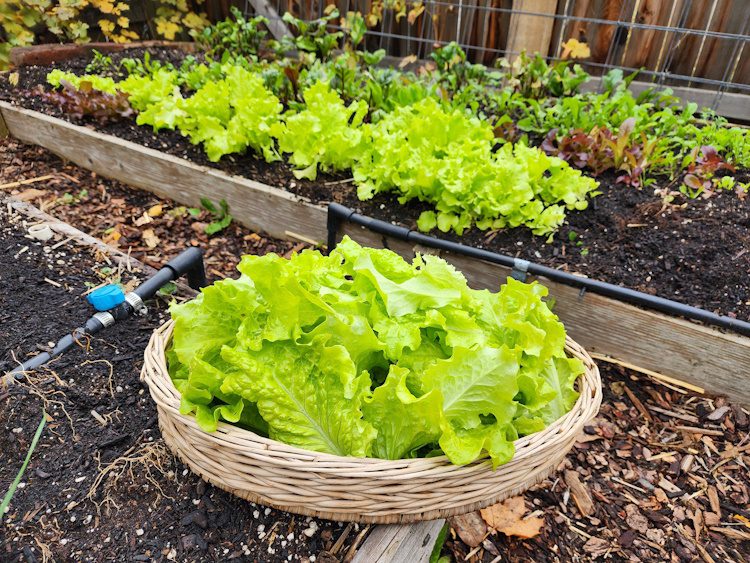
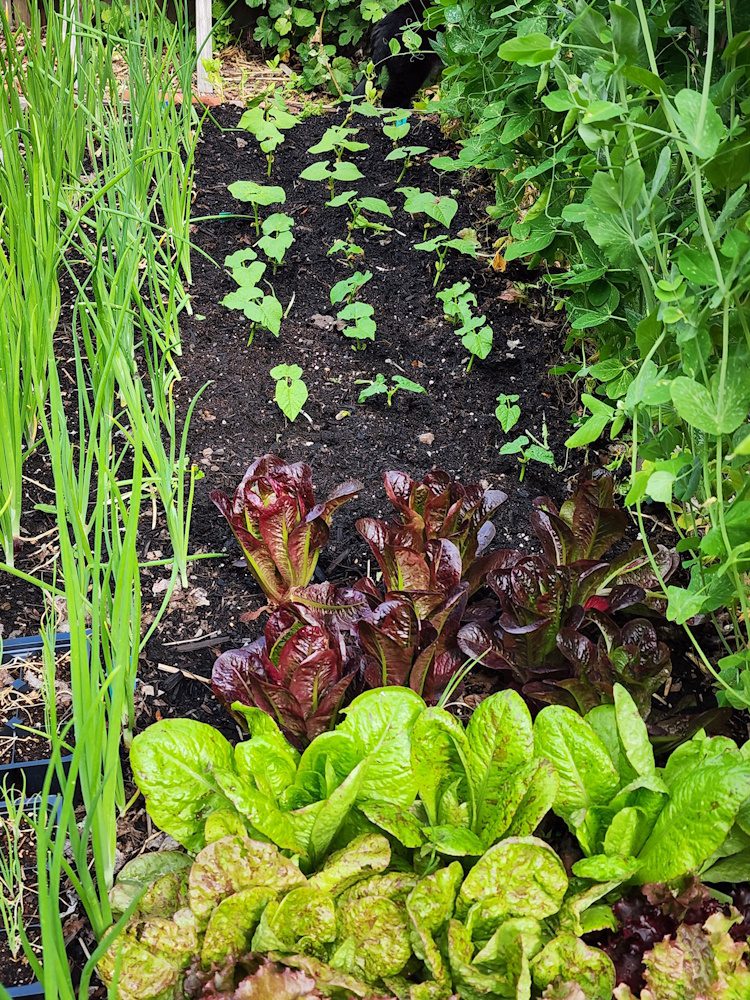
Lettuce grows quickly—leaf harvests in about 30 days, full heads in 50. Look for seedling transplants or sow seeds shallowly and keep moist.
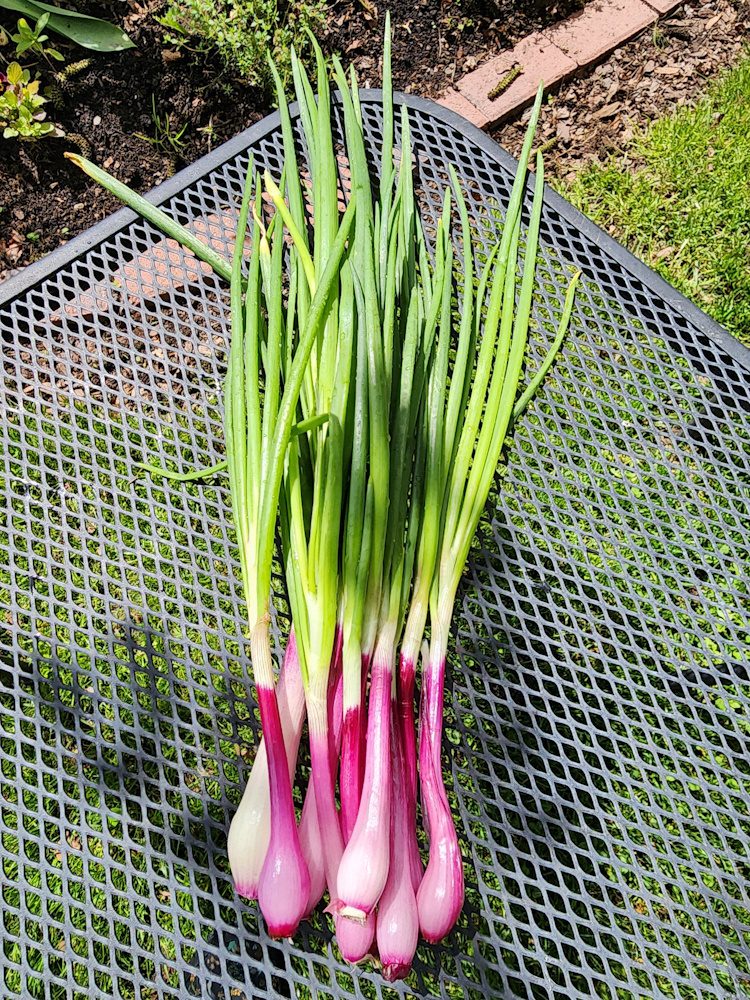
Spring onions can be harvested early for greens or grown to full size in about 60 days. Transplants or sets make growing spring onions easy.
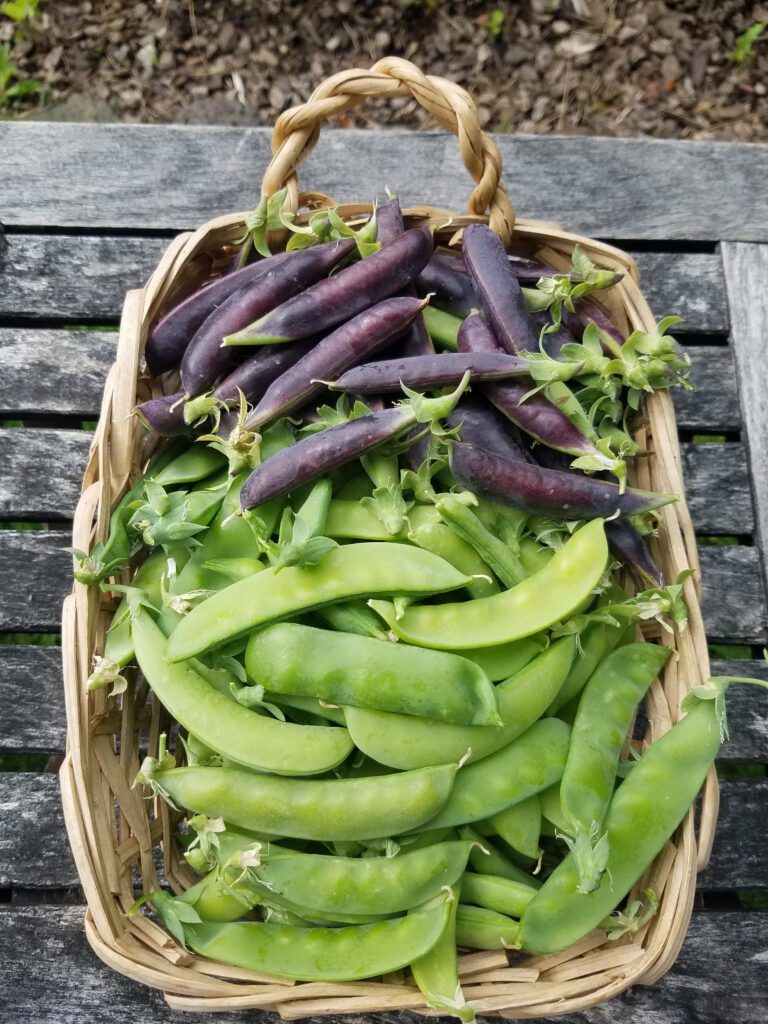
Snap peas mature in 60–65 days. You can harvest pea shoots early and then let the plants continue growing for pods. Direct sow or buy transplants.
Root crops such as radishes, beets, and carrots mature in 30–60 days. Sow once the soil is workable and replant weekly for a continuous harvest.
Brassicas and greens—such as broccoli, cabbage, bok choy, kale, spinach, arugula, and chard—thrive in cool spring weather and grow quickly. Sow directly or buy transplants.
Your early spring planting doesn’t have to be a one-and-done effort. Most cool-season crops mature quickly, so you can replant every 2–3 weeks to extend the harvest into summer and prevent everything from finishing at once. Good candidates for succession planting include lettuce, radishes, spinach, and arugula.
Soil Temperature & Germination Reality
Soil temperature—not the calendar—determines germination. While ideal temperatures are around 60–65°F, many cool-season crops germinate at 40–50°F. That said, they’ll be slower—and that’s normal.
Don’t expect April-sown peas to sprout as quickly as beans sown in June. You’ll need a bit of patience when direct sowing. This is why starting cool crops indoors or using transplants can help you get an earlier start in spring.
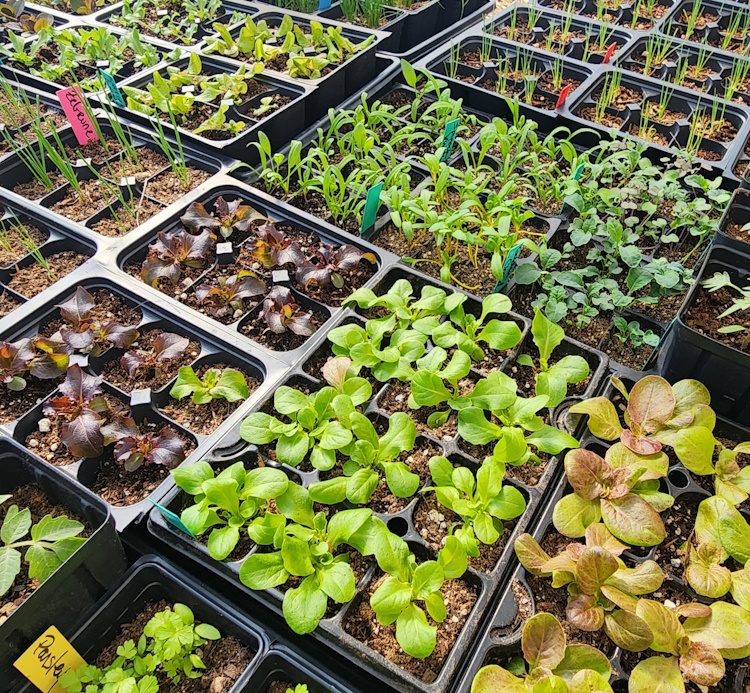
Frost Protection: Simple Insurance
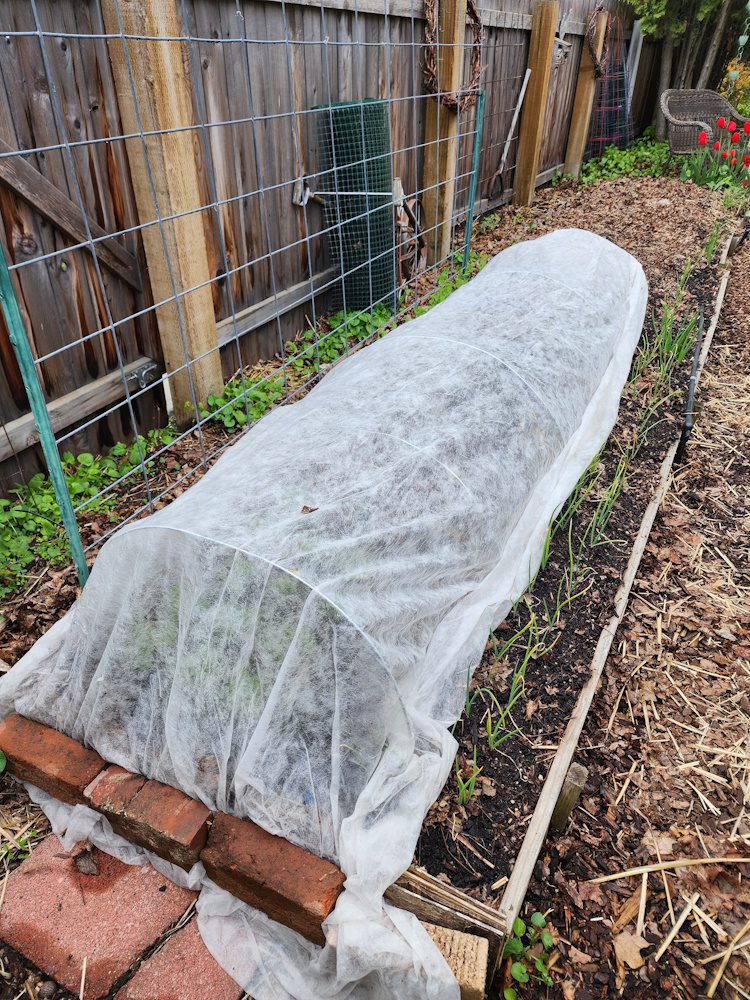
Spring weather is unpredictable, so a bit of protection can be very helpful. Row covers, frost cloths, or even a sheet can protect plants from cold snaps and wind.
Most cool-season crops are hardy, but a little protection can prevent damage and promote faster growth. It’s a low-cost way to protect your spring seedlings and keep them thriving.
Fewer Pests, Fewer Problems
One of the biggest advantages of an early spring garden—besides an early harvest—is reduced pest pressure. Most insects and diseases aren’t active yet, giving plants a healthy start.
The exception? Slugs. Unfortunately, they show up with spring rains.
Beer traps, hand-picking (if you can stand it), or OMRI-certified slug baits can help manage them.

Transitioning to Summer Crops
Cool-season crops aren’t a long-term commitment. As they finish, your warm-season crops are ready to take their place.
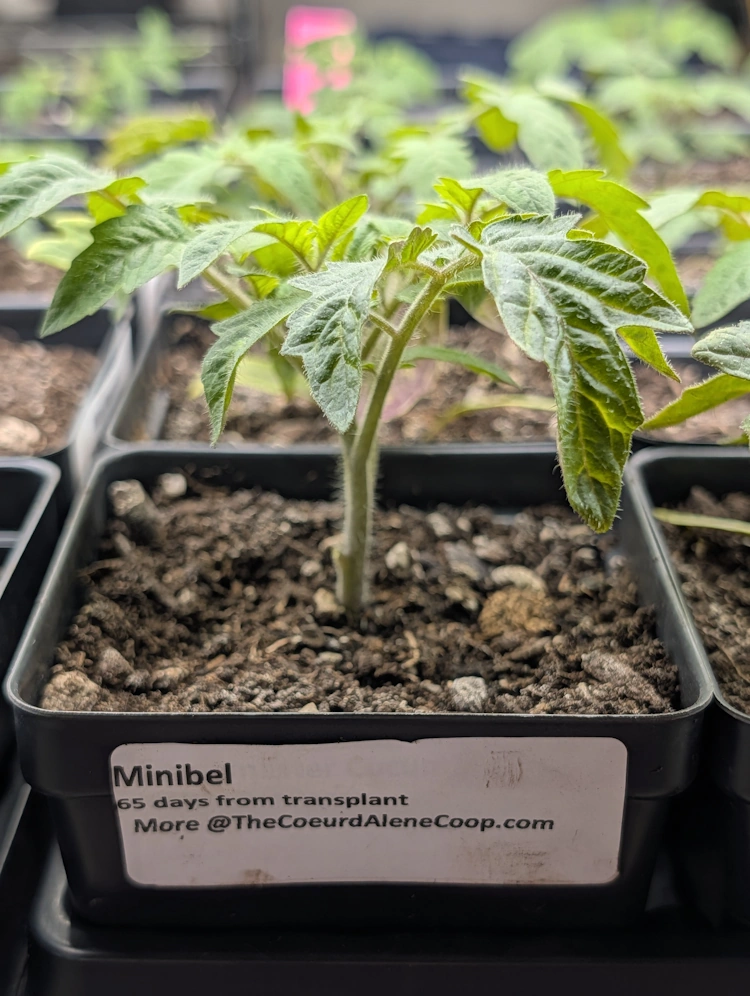
As lettuce plants fade, tomatoes can be planted in between the rows. The lettuce serves as living mulch, helping to retain moisture. The same space can yield multiple harvests. It’s one of the best ways to maximize a short growing season.
A Head Start That Changes Everything
Cool-season seedling transplants are beginning to appear locally at nurseries, such as the CdA Coop’s Spring Fling Cool-Season Plant sale in April (details are on our website).
It’s a reminder that the growing season is already underway, and you don’t have to wait until May to start your garden—even here.
Planting cool-season crops in April helps you start growing earlier, boosts confidence, and puts fresh food on your table while others are still waiting to get started.
So, plant early and smart, and give your garden a head start this spring with cool-season crops.




Leave a Reply