Let’s face it, gardening here can be tough. We’ve had snow on Mother’s Day, and then, some years, temperatures have hit near 100 degrees.
June is often wet and cold, which can cause warm-season crops (and gardeners) to give up prematurely. Our summers are becoming hotter and drier, but snow may still fly in September—or not at all, as this winter has demonstrated.
If you’ve been gardening here for a while, you’re probably nodding along in agreement. If you’re new to the area… Buckle up, buttercup, you’re in for a wild weather ride around the garden.
How does one plan and plant a successful garden here? Those who know avoid choosing crops based on what looks “new and exciting” in catalogs and opt for those that truly grow well in our short-season climate.
If you want a good harvest from your garden (and who doesn’t?), choose reliable, fast-growing varieties suited to our climate.
Getting to Know Our Region & Season
Before you begin planning your garden, let’s explore our growing region and season – both will help you choose the right plants.
Our area falls within USDA Zones 5b–6a, which indicates how cold our winters can get—roughly –5 to –15 degrees. That’s helpful when choosing trees, shrubs, and perennials that need to survive year after year.
But zones aren’t a planting calendar. Even though our zone number on the zone map looks similar to other parts of the country, our growing season is very different; often much shorter and cooler. USDA zones measure winter hardiness — not planting times or season length.

Our growing season has approximately 120 frost-free days, from mid-May through mid-September. While that may sound long, it’s not, especially given the unpredictability of spring and fall weather.
One key to determining what to grow here is a variety’s days to maturity – or how long it will take to produce a harvest. For a successful harvest in our short season, I recommend selecting varieties that mature in 90 days or less.
In addition to shorter days to maturity, look for varieties that will germinate in cooler soil and tolerate spring temperature swings. If this sounds like cool-season crops, you’re absolutely right — especially early in the season — but there are also warm-season varieties bred specifically for cooler, shorter climates.
These Crops Almost Always Deliver (and Extend the Season)
Not only do cool-season plants survive being planted in our cooler spring conditions, but they actually thrive in them. Best of all, most of these plants are season extenders, meaning you can start them well before that first tomato hits the soil and be harvesting by early June.
And they’re not just for spring — many can be planted again in late summer to produce a fall harvest, further stretching our short season.

Try these reliable, workhorse crops:
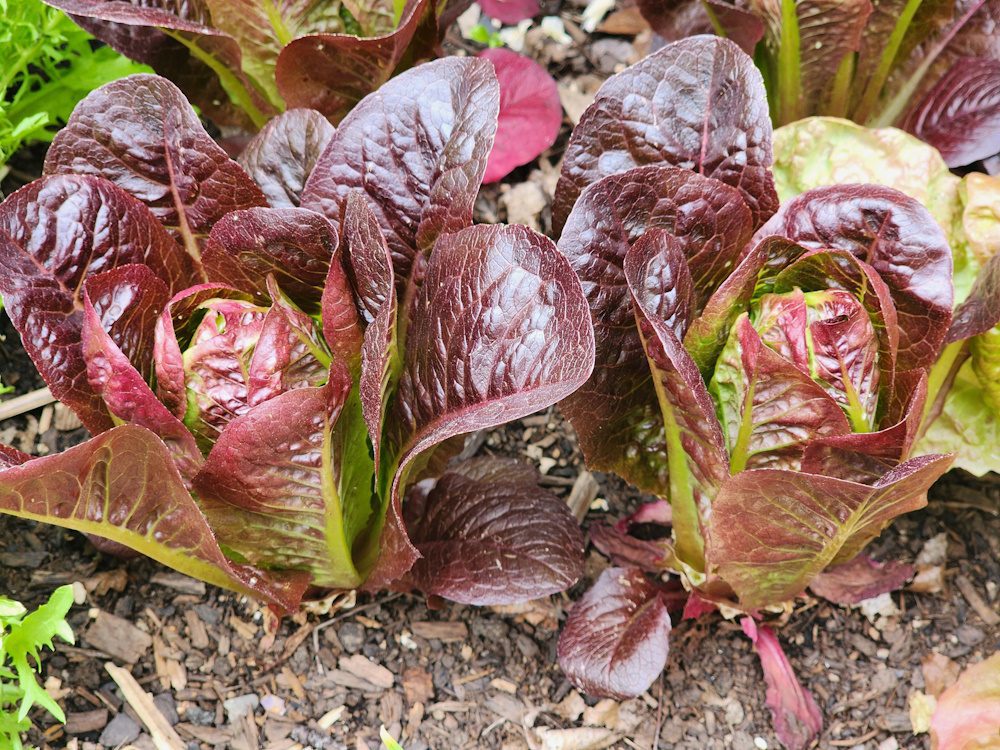
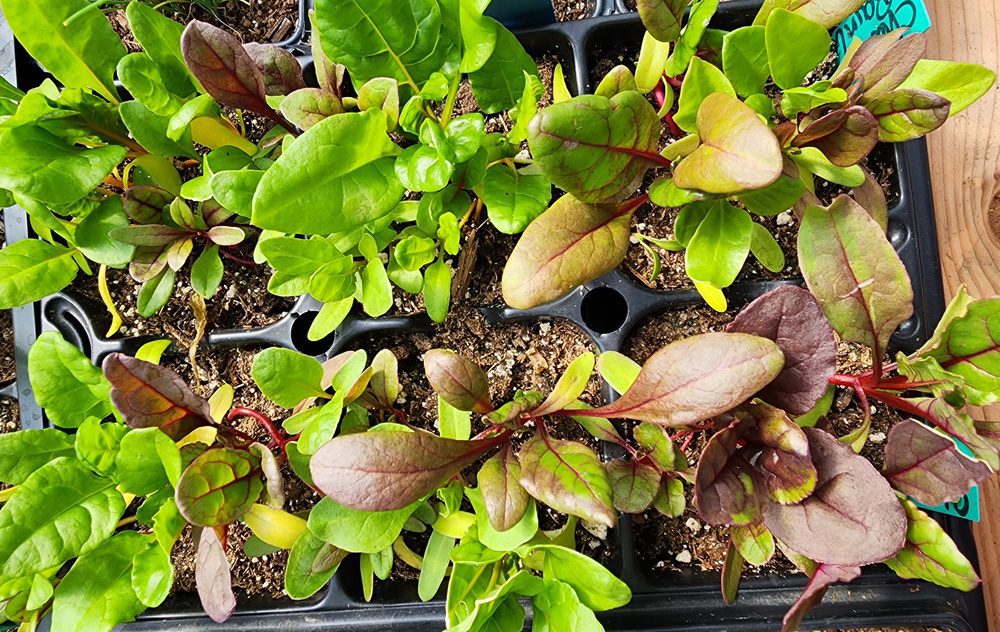
Cool-season greens, such as lettuce, spinach, arugula, kale, Swiss chard, Asian greens, and peas, thrive in cool temperatures and mature quickly (30 to 60 days). These perform best in spring and fall rather than summer heat.
Brassicas — broccoli, cauliflower, cabbage, mustard greens, and Brussels sprouts — tolerate light frosts and are sweeter in cooler weather. Many early varieties mature within 45 to 80 days.
Roots that don’t flinch, like carrots, radishes, beets, and turnips, are excellent early sowing candidates (30 to 70 days), grow well in cool soils, and can be planted in succession for extended harvests.
Alliums, including onions, leeks, and shallots, can often be planted out in late March or early April. They’re long-season crops but very cold-tolerant.
Herbs, such as chives, cilantro, parsley, thyme, sage, rosemary, and mint, handle spring planting well. Many are perennial, returning year after year and adding lasting value to your garden.
Flowers — both hardy annuals and perennials — bring early color and attract pollinators long before summer blooms arrive. Think pansies, calendula, snapdragons, sweet peas, and stock.
Proven Short-Season Stars
I know what you’re thinking… “That’s great for spring, but I want tomatoes in the summer!” I hear you — and I’ve got you.
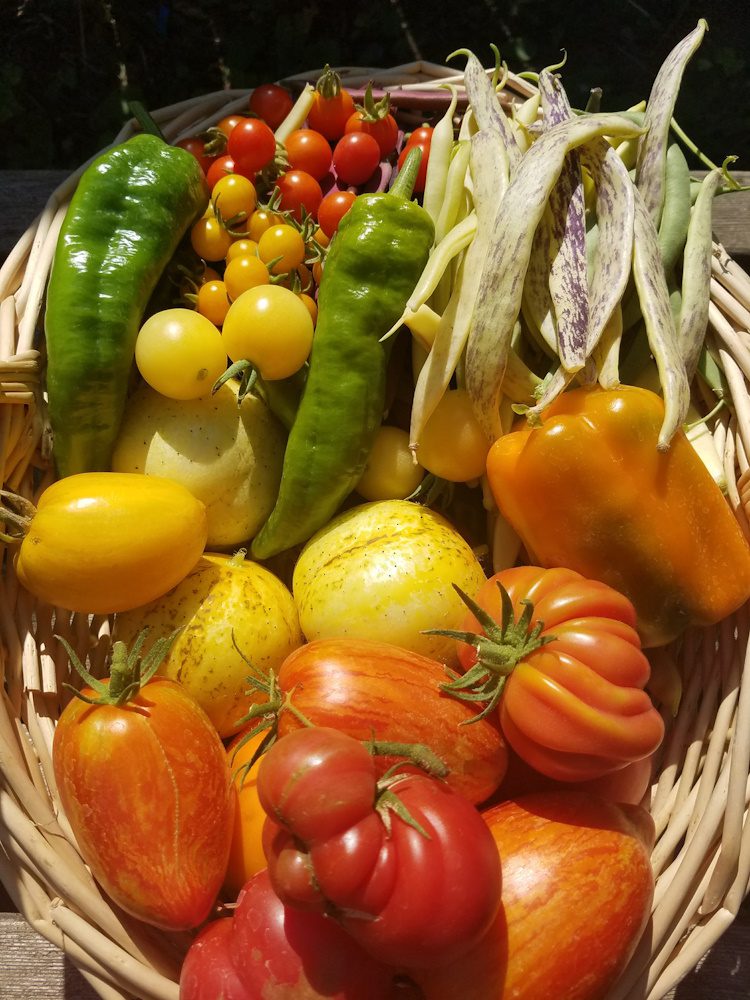
Many warm-season favorites, including tomatoes, peppers, cucumbers, and squash, can absolutely produce here with the right variety selection – just remember the 90-days and under suggestion. To further increase success, look for varieties labeled early, cold-tolerant, or determinate.
Here are warm-season stars that consistently perform well here:
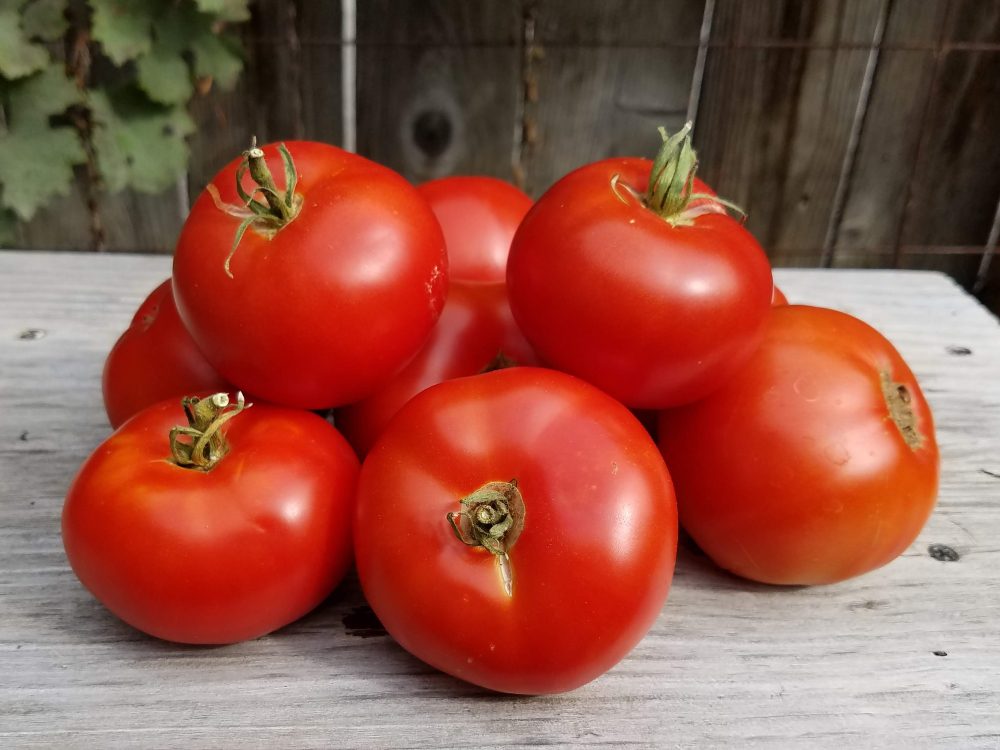
Tomatoes: Sasha’s Altai (60 days, cold-tolerant), Marmande French (65 days), Taxi (65 days, determinate)


Peppers: King of the North, Doe Hill, Shishito (around 60 days), Early Jalapeño (65 days)

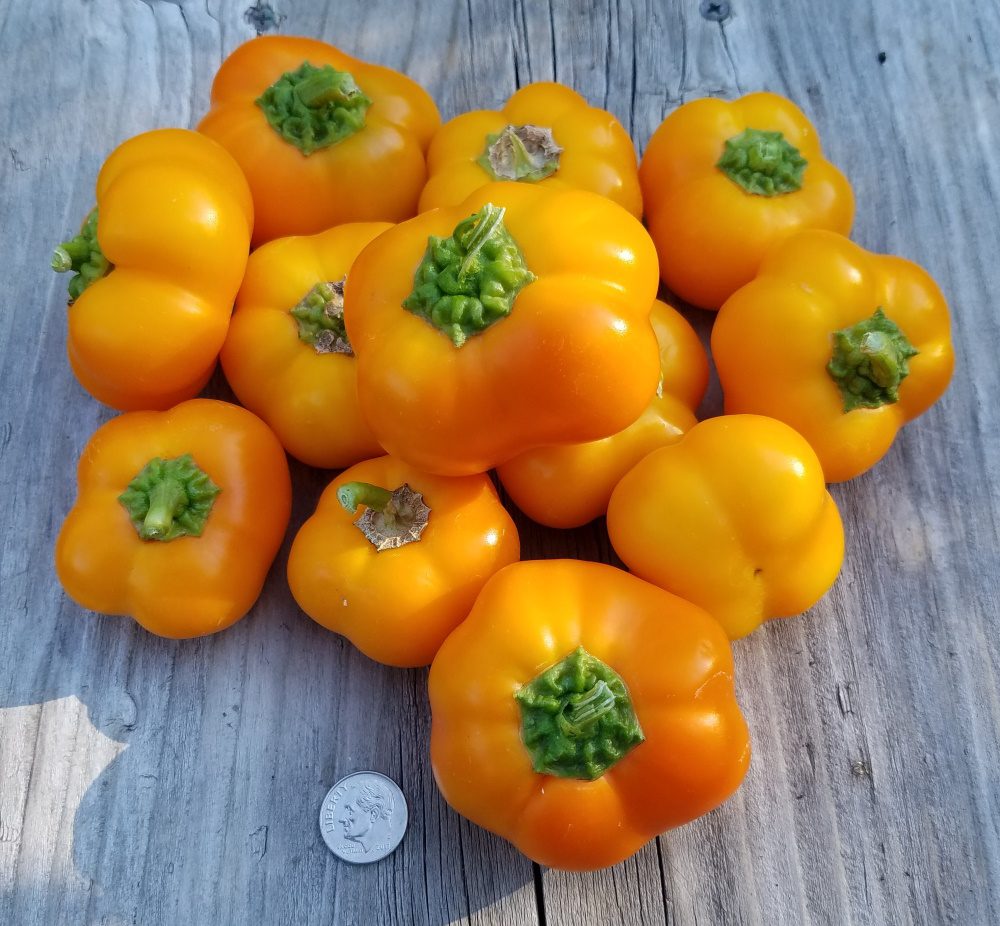
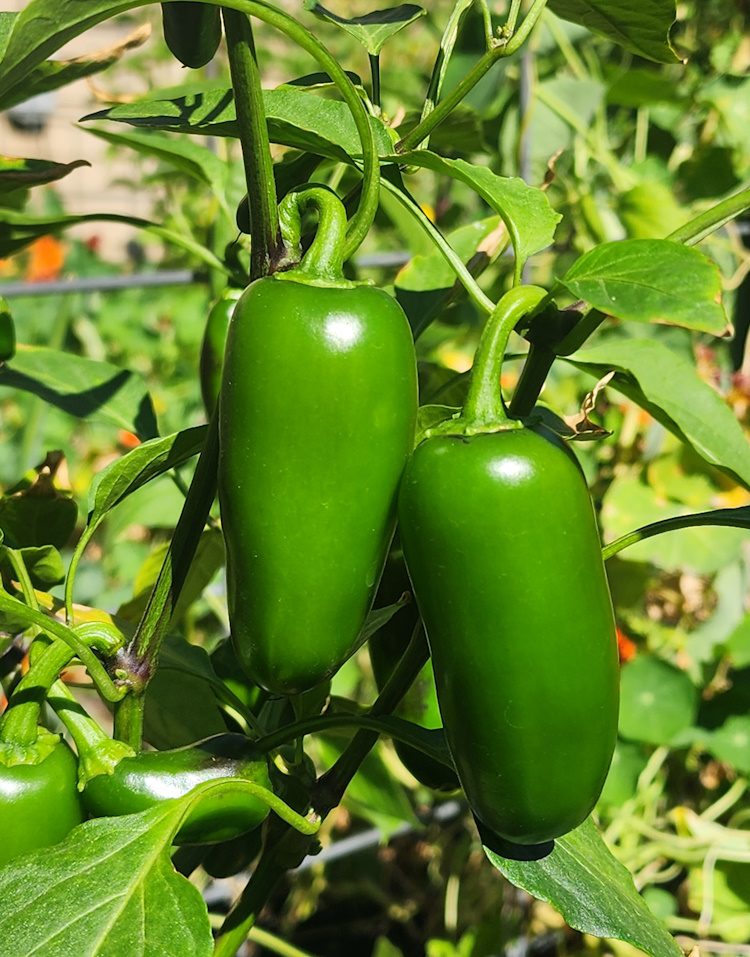
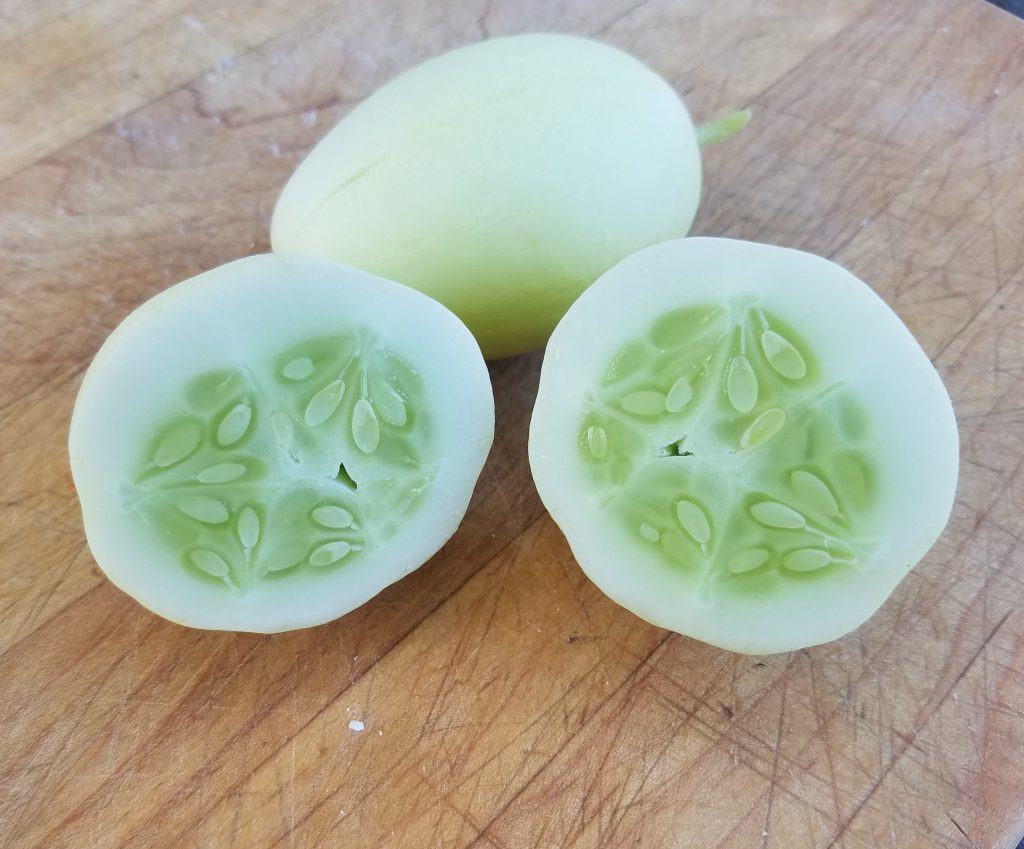
Cucumbers: Boston Pickling (55 days), Green Apple and Dragon Egg (65 days)
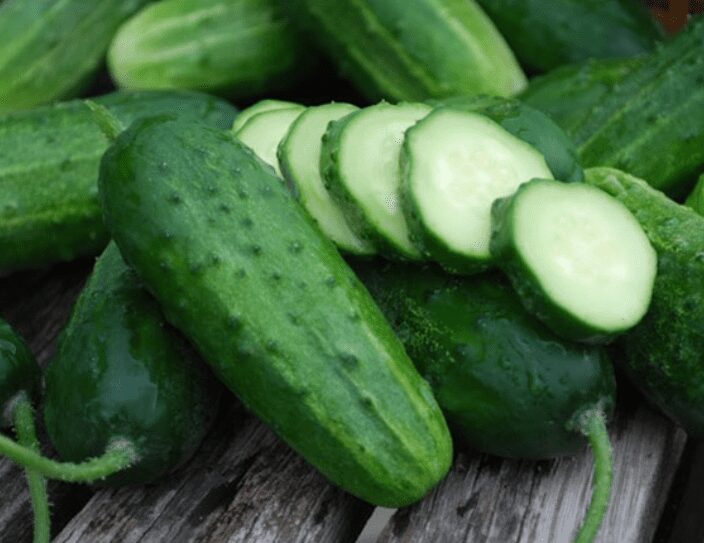
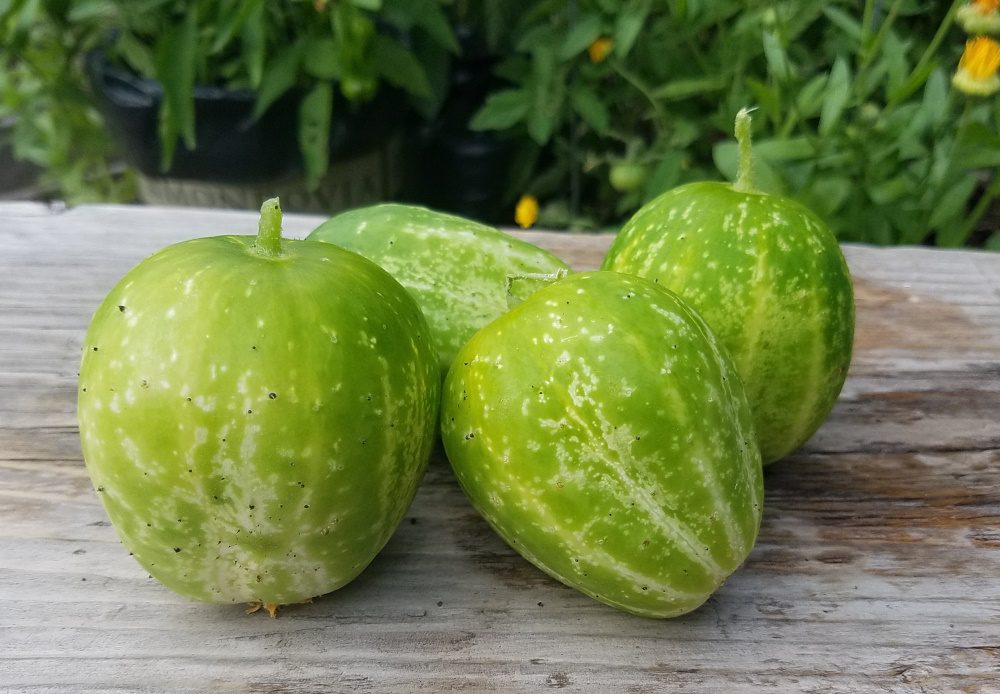
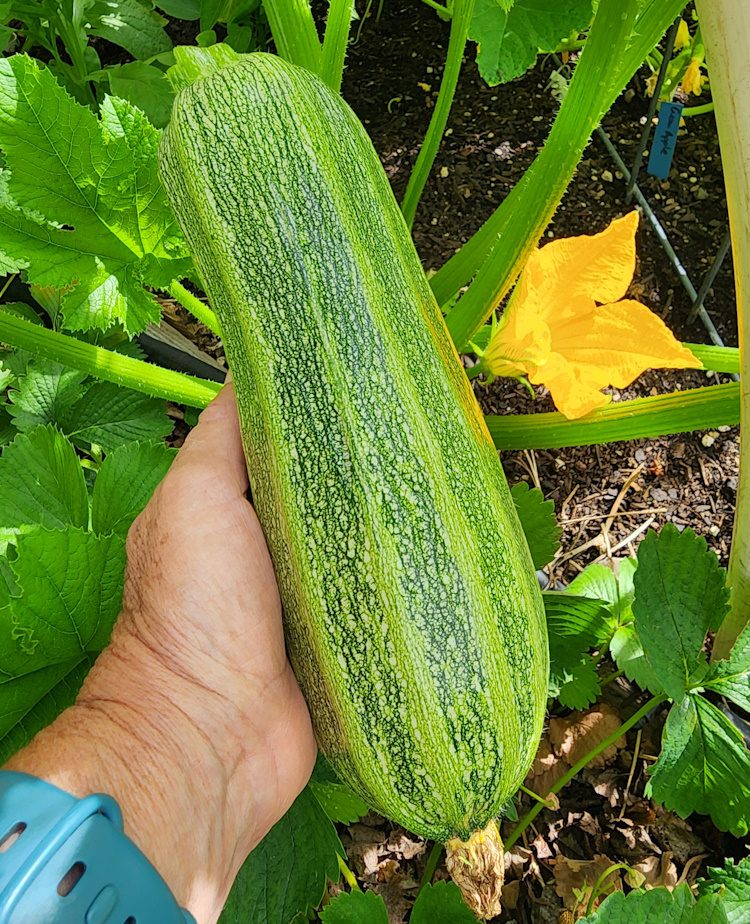
Squash & Melons: Yellow Straightneck (45 days), Costata Romanesco (52 days), Black Beauty zucchini (60 days), Minnesota Midget cantaloupe (60 days)


I grew beautifully sweet miniature cantaloupes last year, thanks to an early variety. You may not harvest everything you desire (full-sized watermelons are a stretch), but choosing short-season varieties dramatically improves your chances of success.
It’s Okay to Experiment
Seed catalogs are full of new plants, and there’s nothing wrong with trying them — I do it every year. But keep experiments limited and let proven performers carry most of the harvest.
It’s okay to experiment with a 110-day squash or a heat-loving chili pepper, but adjust your expectations. “Can grow here” is very different from “will reliably produce.” Our season typically isn’t long enough to support long-season crops.

Building a Smart Short-Season Garden Plan
Your short-season plan starts with:
- Your reliable core crops — the ones that consistently perform in your microclimate. These are the backbone of your harvest.
- If you’re new to gardening here, lean heavily into short-season varieties at first. As you gain experience, you’ll learn what works best in your unique microclimate.
- Add a few fun experiments each season. For longer-season crops, start seeds indoors to give them a head start—but not too early. Be sure to follow the packet timing.
- Base planting on soil temperature, not just the calendar or a frost date. Warm soil is critical for warm-season crops, and cool soil favors early-season plants.
- Keep notes on what thrives. Over time, your garden becomes a personalized playbook for success.
The Short-Season Win
In a short-season climate, success isn’t about growing everything — it’s about focusing on what grows well here. When your garden works with your climate, harvests become more reliable, and gardening is much more enjoyable.
Let reliable crops form the foundation of your garden, add a few experiments for fun, and you’ll be rewarded with food, confidence, and far fewer gardening disappointments.




Leave a Reply