Nothing says “urban gardener” more than having a backyard flock of curious chickens. With their soft clucks, fluffy butts, and, of course, daily eggs, they give off a whole “we’re homesteading in the city” vibe.
But let’s be honest: they’re also tiny dinosaurs with strong feelings about your garden mulch. While they may seem like a peaceful addition to the garden, their tendency to scratch and dig can turn a freshly planted veggie patch upside down in mere seconds.
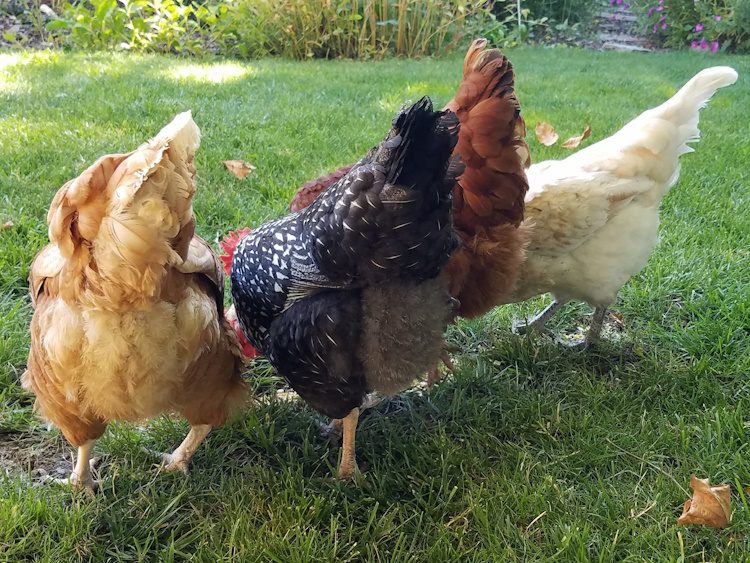
Still, they can be great garden helpers—but offering that help requires rules and boundaries (sounds a lot like raising teenagers).
Homespun Comfort
You probably don’t think of chickens as creatures of comfort. Honestly, I’ve never seen “emotional support hens,” but that doesn’t mean they don’t exist. But comfort doesn’t come from just cuddles, and chickens offer more than just their presence.
They bring the comfort of routine, joy, and a more peaceful rhythm to the home front—from daily tasks like feeding and collecting eggs to the feeling of being connected to nature year-round. Their generally calm nature adds a touch of “farm life” charm to any backyard.
They can be incredibly entertaining as well. Toss a piece of bread into the pen, and watch a lively scramble unfold, not unlike a rugby match. I’d say they are the ultimate creatures of comfort — after all, they provide the ingredients for breakfast each day —and that’s something even the most loyal house pet can’t claim.
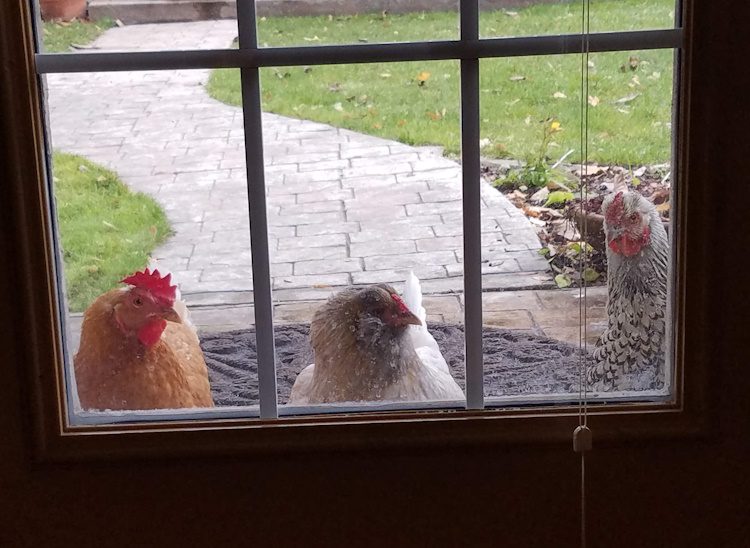
What Chickens Do Well in the Garden
Chickens can be very helpful for your garden… if the “help” is kept in moderation (a concept they don’t fully understand). Here are just a few ways your garden can benefit:
Pest Control: A chicken can spot a bug from clear across the yard and dash like mad to it before anyone else notices. They will consume many garden pests, including grubs, beetles, caterpillars, grasshoppers, and even slugs (and their eggs). Their constant scratching and hunting help reduce pest pressure, making them valuable partners in your garden pest-control plan.
Cleanup Crew: Need to clear out the fall garden? Let the chickens loose! They’ll demolish spent plants and leftover produce in the blink of an eye. If the compost pile needs turning, chickens will quickly rearrange everything—it’s a mess for sure, but it’s productive.
Soil Cultivation: On bare soil, chickens work their magic by lightly tilling the surface. They are handy for breaking up crusted soil, especially after harvest. For this, it’s best to keep them in unplanted soil; otherwise, they will rip up everything they see.
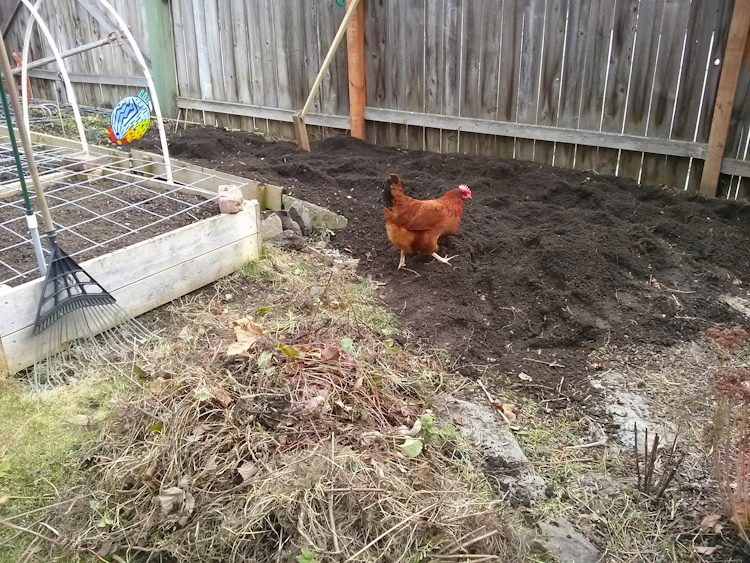
Increase Soil Fertility: Aged chicken manure is an excellent soil amendment rich in nitrogen. The key is that it must be aged. Because it is high in nitrogen and can easily burn plants, it needs to sit for at least a year to mellow out before using it in your garden.
The good news is that it can be composted with bedding and, once mellowed, applied in the fall, giving it additional time to break down before spring planting. Never add fresh manure of any kind directly to your garden. Think of manure as future soil, not instant fertilizer.
And What Chickens Don’t Do Well (and Why Your Garden Needs Rules)
This is the harsh truth that no one shares on Instagram… Chickens will:
- Dig and destroy freshly planted beds
- Devour seedlings like they are microgreens on a buffet
- Dust-bathe in your prettiest flower bed
- Scratch your mulch into next week
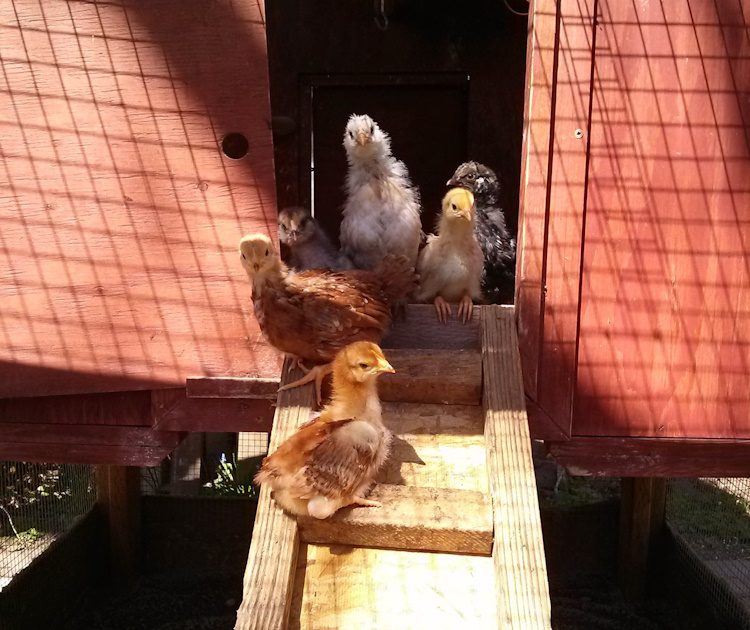
They don’t just visit the garden; they redecorate it. And yes, they peck at tomatoes, berries, and anything they’re tempted to peck (often without rhyme or reason). Don’t turn your back on them, even for a second…
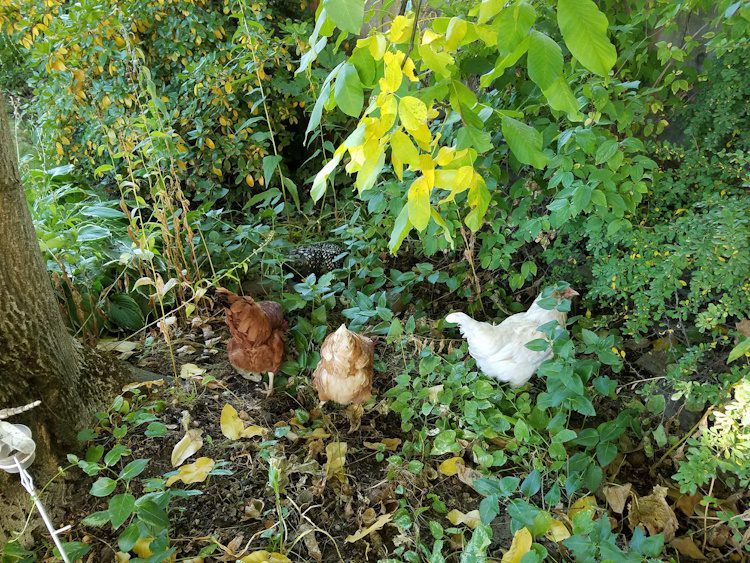
Keep chickens out of the garden when the soil is wet or lush with tender growth (spring) or when it’s producing (summer). That means the best time for “free-range” garden help is fall and winter.
The Golden Rule: Separate Chicken Space form Garden Space
Can your garden coexist with chickens? Absolutely, with a bit of planning and a couple of hard ground rules (along with a whip and a chair). Keeping chickens and a garden doesn’t require a perfect setup—just a smart one.
Here are a few best practice options for incorporating chickens into your garden setting without complete destruction:
- Supervise: If you allow free-ranging, then garden visits must be supervised. Keep the visits short and controlled. This works best for small flocks (fewer than six). I often patrol with them, broom in hand, to shoo them away from anything I don’t want them to destroy.
- Specific Locations: Keep them out of newly seeded beds, mulched perennial borders, and freshly amended soil. With supervision, let chickens enjoy garden pathways, unplanted areas, and chemical-free lawns. It’s perfectly fine to let them free-range on spent beds in the fall.
- Containment: If you are free-ranging your backyard flock, it’s probably best to fence your garden to keep chickens out. While they’re not great fliers, they can fly, so make sure your chicken wire fence is at least four feet tall.
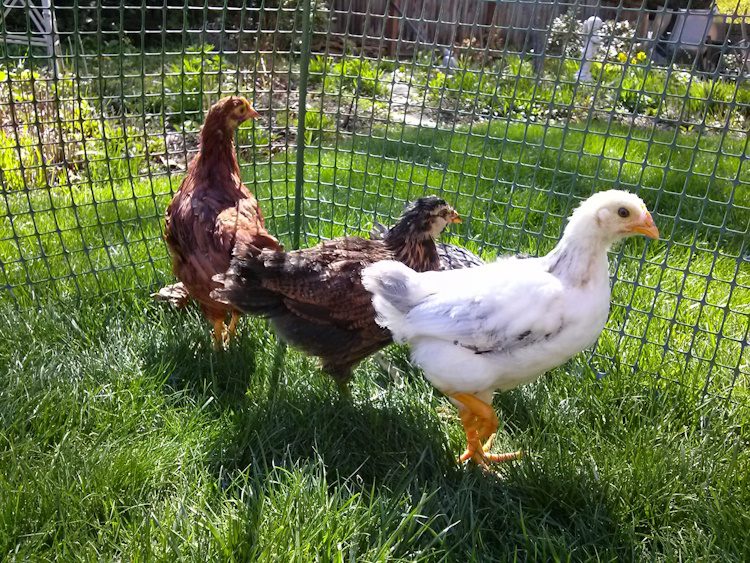
A double-fenced, three-foot-wide chicken “moat” around the garden allows chickens to graze and patrol the perimeter without destroying crops. Chickens can eat weeds and pests, and the fencing may even help discourage larger critters like deer and rabbits from entering the garden.
A third option is a chicken tractor or mobile run for targeted cleanup. This allows your flock to move to different areas for weed and pest control, onto spent beds, or compost staging areas without them running free.
Comfort, Comedy, and a Better Backyard Rhythm
Chickens bring a unique kind of comfort to the home garden. It’s not just the eggs—it’s the rhythm they create and the daily routines that keep us connected to the seasons. Stepping outside to hear soft clucks and watch their antics grounds us in the simple work of tending living things.
When managed intentionally and with clear boundaries, chickens can support a healthier garden system while adding joy and personality to the backyard. They may not be perfect helpers—but they are enthusiastic ones.




Leave a Reply