Ahh, spring. It’s 75°, and the sun is shining with not a cloud in the sky. We’re just about at the last average frost date, and suddenly every gardener in town is eyeing their tomatoes and reaching for a trowel.
Not. So. Fast.
There’s a hard reality for our region: Warm air does NOT equal warm soil. Many gardeners fall into the “warm days” planting trap and end up planting their warm-season crops too early because the weather “feels right.”
Just because you’re wearing shorts and covered in sunscreen doesn’t mean it’s time to plant your tomatoes.
Warm-season crops are more sensitive to soil temperature than air temperature.
In late spring, our growing zone (5a-6b) can still experience cool-to-cold nights, and chilly spring soil can linger long after frost danger appears to have passed.
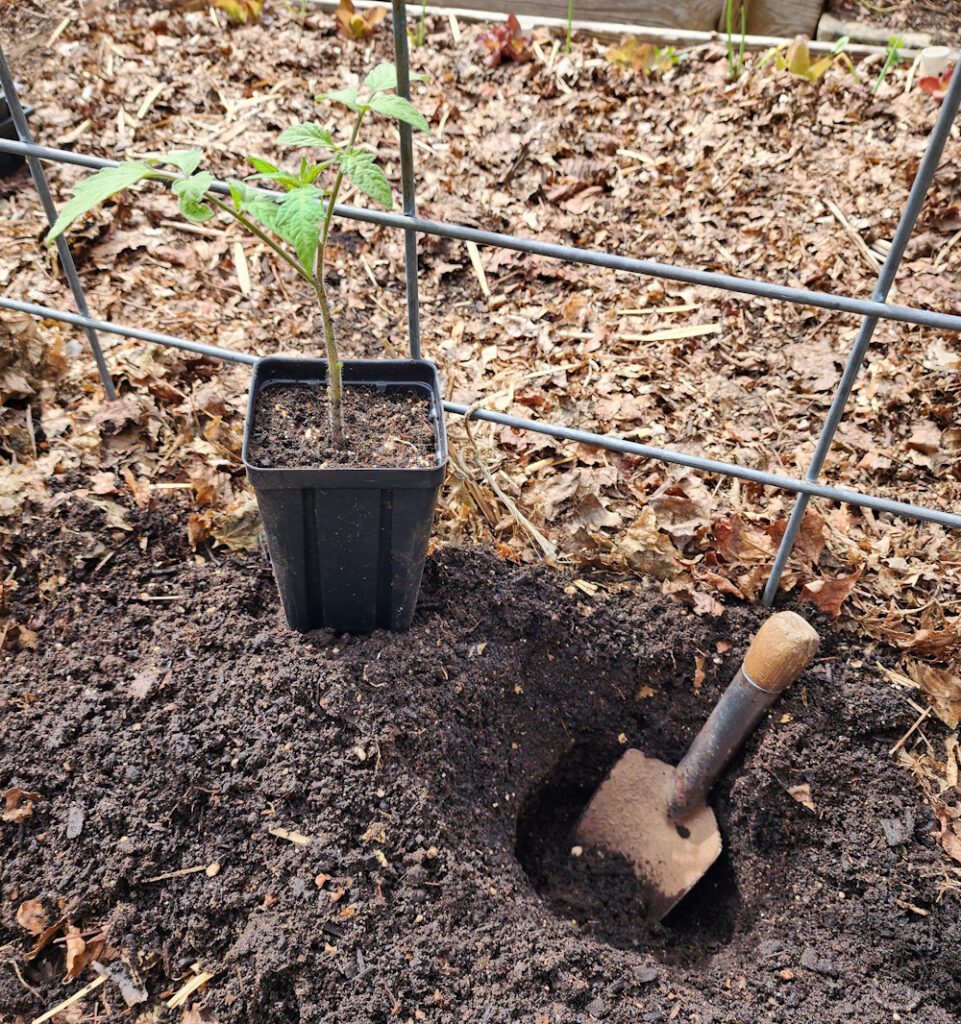
Why Soil Temperature Matters
The temperature of your garden soil matters because it is critical to how well a plant survives and thrives. Soil temperature regulates root growth, nutrient uptake, water absorption, and overall plant metabolism.
Some vegetable plants, like lettuce and peas, thrive in cool soil but are unhappy in overly warm soil. But warm-season crops — tomatoes, peppers, eggplant, cucumbers, melons, beans, and basil (especially basil) — evolved in tropical or subtropical climates and need warm soil to thrive.
In our eagerness to get our short growing season underway, many local gardeners jump the gun and plant before the soil is warm enough for active growth.
If you’ve done this before (my hand is up!), you already know what happens… Your plants stall—they stop growing and sit there. Leaves begin to yellow, roots stop developing, and the intake of water and nutrients diminishes.
Your young transplants become stressed, and when that happens, the risk of disease rises. Sadly, some plants may never fully recover from being planted too soon in cold soil.
So yes, soil temperature matters more than you might think. A plant in cold soil isn’t growing—it’s merely surviving.
Minimum vs. Optimal Soil Temperatures
While tomatoes can tolerate soil at 55°F, they truly thrive at 65–75°F. In fact, the lowest optimal soil temperature for warm-season crops is 65°F. Anything below that, and your warm-season plants are just sitting stagnant in the soil.
Gardeners often plant at the minimum temperature, which merely keeps plants alive. Planting at optimal soil temperatures promotes active growth and healthy root development.
| Crop | Minimum Soil Temp (°F) | Optimal Soil Temp Range (°F) |
| Tomatoes | 55°F | 65–75°F |
| Peppers | 60°F | 70–85°F |
| Eggplant | 60°F | 70–85°F |
| Summer Squash | 60°F | 70–85°F |
| Winter Squash | 60°F | 70–85°F |
| Cucumbers | 60°F | 70–85°F |
| Melons | 65°F | 75–90°F |
| Basil | 60°F | 70–85°F |
A few warm-season crops to watch especially closely are basil, cucumbers, and melons. These need downright luxurious warmth—70 to 90°F. You might roll the dice and plant some warm-season crops in cool soil, but cukes, basil, and melons will perish quickly.
How to Measure Soil Temperature
One or two warm, sunny afternoons mean little when it comes to warming the soil because soil temperature changes slowly.
What’s the best way to determine your soil’s temperature? The most reliable method is to invest in an inexpensive soil or compost thermometer. I prefer a compost thermometer because its longer probe lets you reach deeper into the soil. These thermometers are readily available online or at garden centers.

Check the soil temperature in the morning by inserting the probe at least 6 inches into the soil. Monitor the temperature for several days to confirm it is at the proper level before planting.
Keep in mind that raised beds warm faster than in-ground beds, but they also cool down faster at night.
Frost Protection vs. Soil Warmth
Late spring in our region can still bring frost—sometimes even after the last average frost date. I always recommend keeping frost protection on hand—but it only protects plant leaves. It doesn’t automatically warm the soil, and plant roots remain cold.
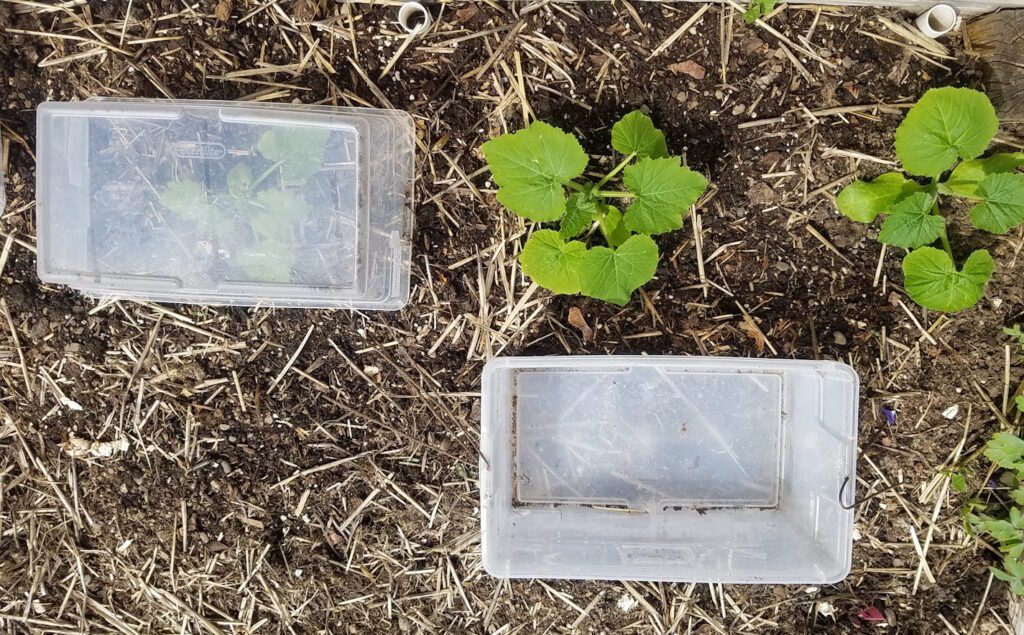
Common frost protection includes row covers (frost cloth), cloches, Wall O’Water, cold frames, mini hoop tunnels, and similar tools. These tools trap daytime heat, thereby reducing nighttime cooling.
Frost protection is critical for late-spring plantings, but it offers only slight soil warming. Think of frost protection as a light jacket for your plants, not a tropical vacation.
Ways to Warm the Soil
If the sun isn’t warming your soil quickly enough, there are a few methods you can use to raise the temperature to optimal levels.
Plastic mulch: I’m not a fan of plastic, but it does the job of warming the soil. Black plastic warms the soil quickly and is especially useful for melons, peppers, and cucumbers. However, I do not recommend leaving it in place long-term. Once the soil is warmed, remove it. If left in place, it can overheat the soil, killing essential soil microbes.
Clear plastic works extremely well, but because sunlight can penetrate it, weed seeds germinate quickly and easily.
Landscape fabric: This fabric covering warms the soil while still allowing water to penetrate. However, if left in place, it can overheat the soil. Again, I recommend using it only until the desired soil temperature is reached.
The Mulching Truth
If you know me, you know I am a staunch advocate for mulching. But just as mulch helps regulate soil temperature in summer—keeping it cool—it can also keep spring soil too cold.
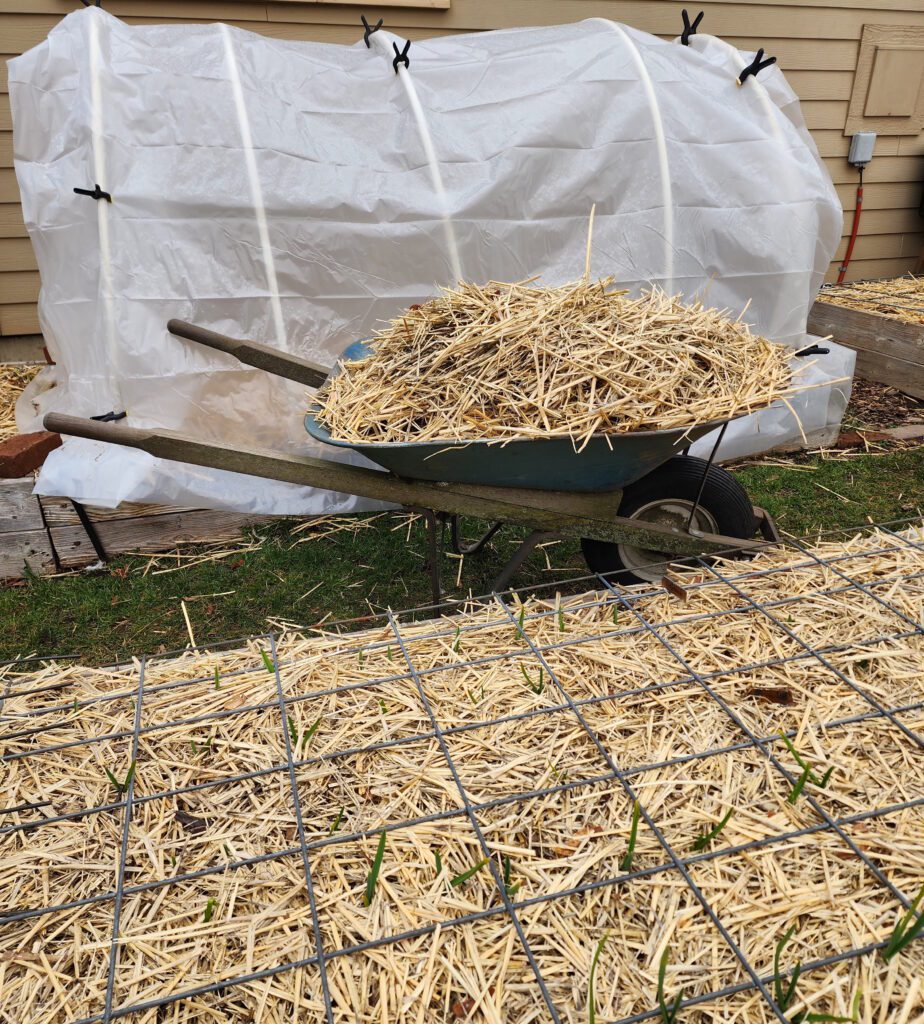
Avoid mulching too early in the spring if your soil is bare. If you have mulch on your beds from last fall (and you should), remove about half to let the soil dry and warm. I place my “used” mulch in a pile and, once the soil is warmed and my garden is planted, add it back to the beds.
Patience Pays Off
Sometimes the fastest way to harvest tomatoes is to slow down and wait.
With our short growing season, you may feel pressure to start planting as soon as possible, but rushing to plant warm-season crops before the soil is ready can backfire.
In many cases, a later-planted tomato, pepper, or eggplant will outperform early-planted crops that are stressed.
Warm soil that promotes healthy root development and steady growth matters more than the calendar dates.
Warming Up to Waiting
Soil temperature is one of the most overlooked factors in gardening, especially when planting warm-season crops. These plants want their roots nestled in warm soil—not just sunny days and optimistic gardeners.
Keep an eye on soil conditions and use a thermometer to determine the optimal planting time. Good gardeners watch the weather. Successful gardeners watch the soil.
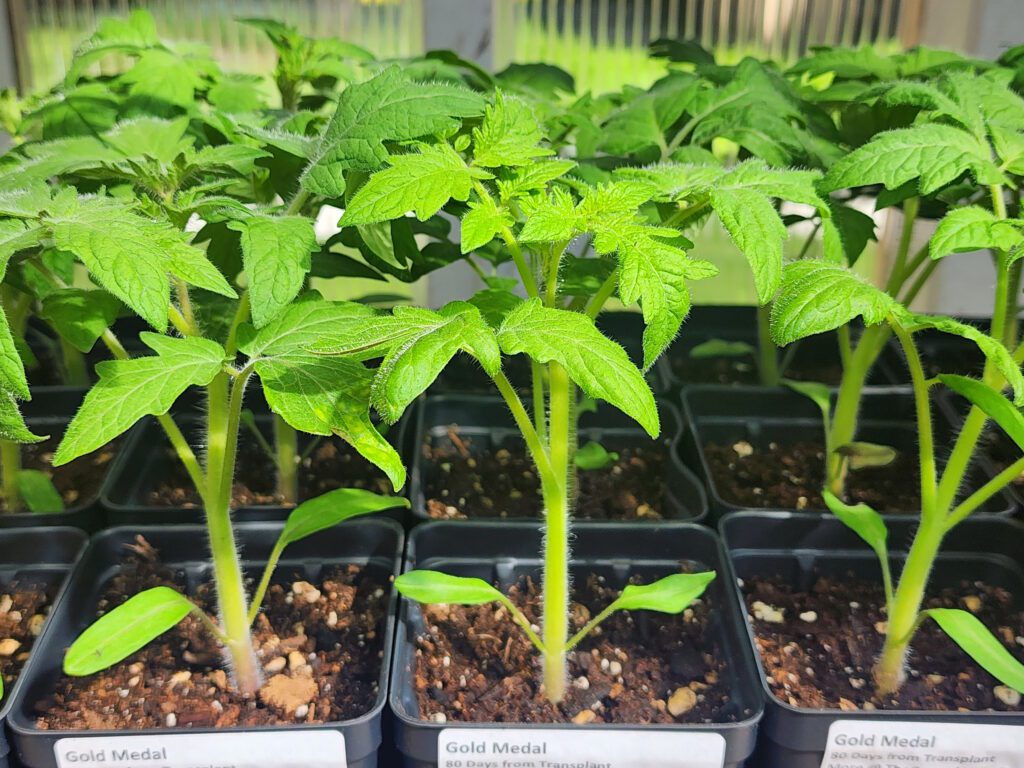
Remember: a tomato planted a little later in warm soil will often outpace one that spent weeks sulking in cold soil. Gardening rewards patience—it’s worth waiting for warmth.




Excellent write-up. your explanation was simple and practical. Please continue posting content like this.