As we sink deeper into our North Idaho summer, the excitement of spring has given way to garden maintenance—an often not-so-much-fun time in the garden.
While the tomatoes are reaching for the sky, zucchini plants are doubling overnight, and every weather forecast brings another string of 90-degree afternoons, we wonder how we’ll manage to keep the garden thriving.
With hot days on the horizon, it’s tempting to water more, fertilize more, or fuss over every wilted leaf. Does this mean you’ll be dragging the hose for the next six weeks, trying to keep everything flourishing?
Fortunately, the answer is no. Summer garden maintenance focuses on doing less and working smarter to support your plants during the heat.
Water Smarter, Not More
Let’s talk about hydration. On a sunny 85-degree day, you need to stay well hydrated, lest you start to wilt. But your garden? The truth is that plants don’t need a daily drink nearly as often as gardeners think they do.
And… with the region facing drought conditions, reducing water use may not be optional—just another reason to water smarter.
Efficient watering is all about timing: from the time of day to how long the water runs. But before you turn on the faucet, it’s important to check whether you really need to water (rather than cool yourself off!). Ideally, this should be done in the morning because it provides a baseline for overnight moisture retention.
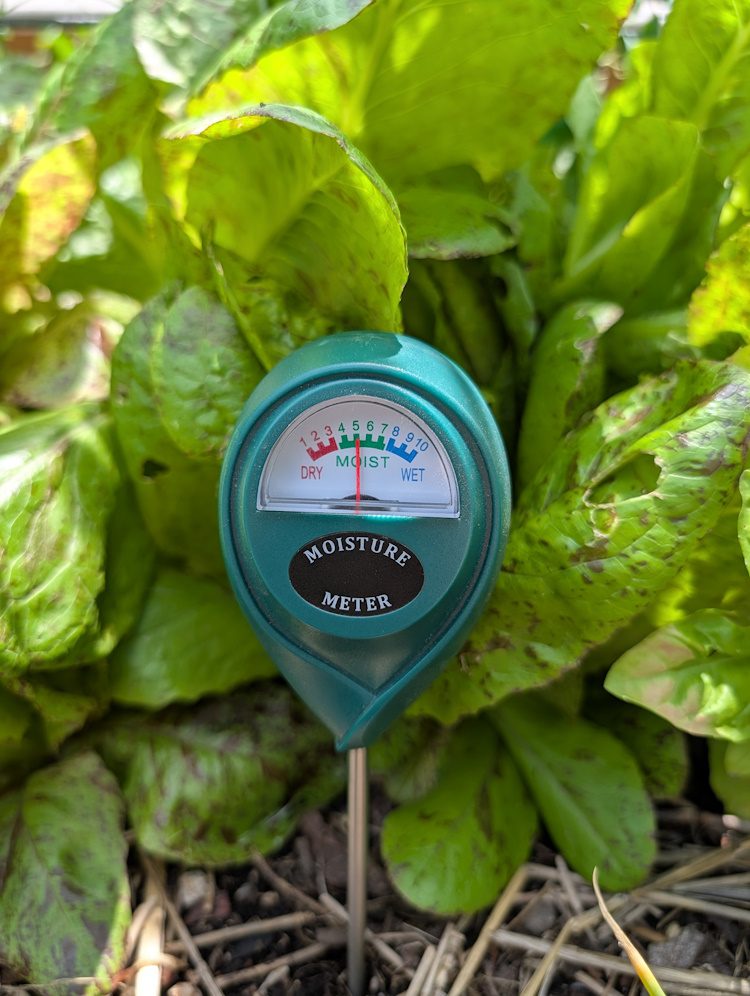
An inexpensive moisture meter is helpful to determine this. Set the probe near the plant’s root zone and water only when the meter indicates the soil is dry. Alternatively, you can insert your index finger about 1 to 2 inches into the soil. If it feels dry, it’s time to water; if it’s damp, wait.
I hope you’re a morning person since it’s the best time to water. Watering early in the cooler part of the day minimizes evaporation and helps prevent fungal diseases by giving leaves time to dry.
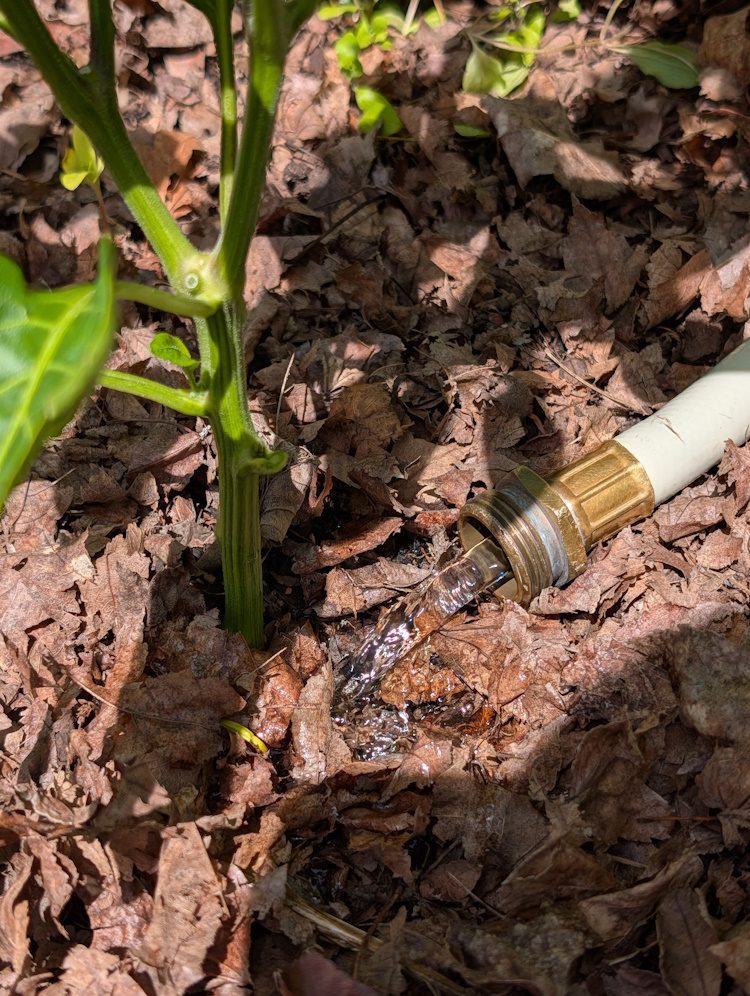
Slow, deep waterings, whether from drip irrigation or a soaker hose, encourage deeper roots and more stable plants, whereas quick, shallow watering creates shallow-rooted plants. And, of course, avoid overhead watering to reduce the risk of fungal diseases. Most vegetable gardens will flourish with a deep watering twice a week, totaling around 1 inch.
The exception is for container-grown plants; they need frequent watering because they tend to dry out more quickly.
And a quick note on “afternoon wilt,” which can look awful but often isn’t. Many plants droop in the afternoon sun to conserve moisture; it’s not always a sign of drought stress. Plants typically bounce back once the afternoon heat subsides, so check soil moisture before watering.


Mulch: Nature’s Air Conditioner
Gardening in the height of summer is typically a morning and evening activity. During the heat of the day, we retreat to our air-conditioned lairs until the evening’s coolness returns.
But what about our plants? Ah, that’s where mulch comes in. Yes, I am once again going to extol the many benefits of mulching your garden. In the summer, mulch serves its best purpose: acting as nature’s air conditioner.
Adding a layer of mulch to your beds, or at the very least around the base of your plants, helps keep the soil cooler and greatly reduces moisture loss. It creates an insulating layer that moderates soil temperature, reducing heat stress while helping roots absorb water and nutrients more efficiently.
Mulched soil is significantly cooler than bare soil. Consider this: You rarely see bare soil in nature, something I like to mimic in my own garden.
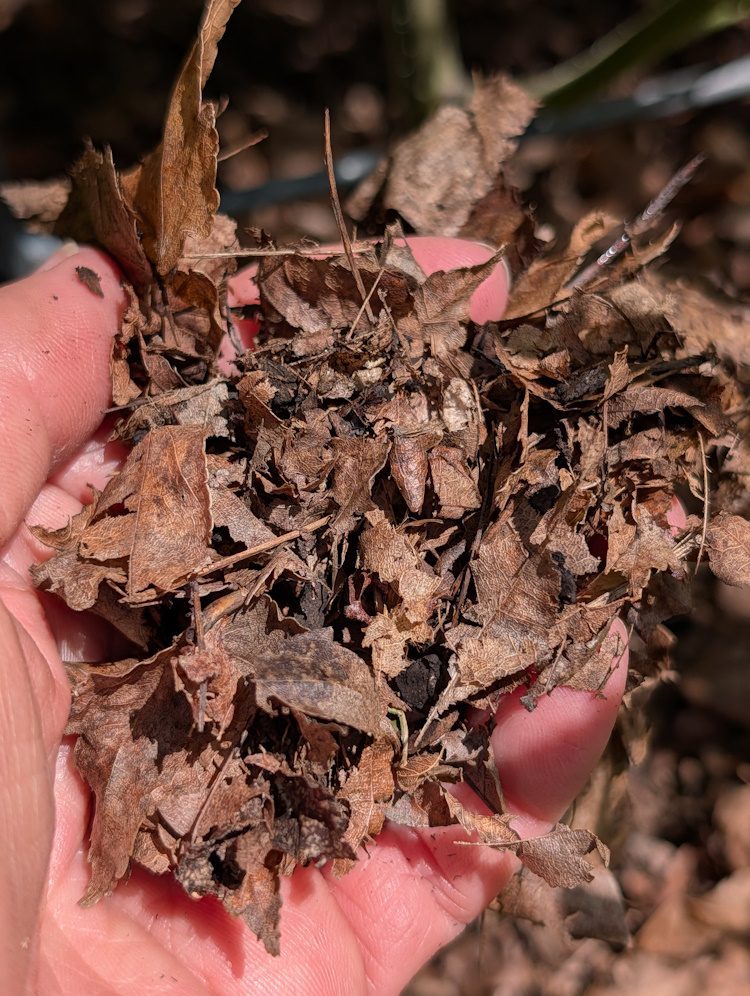

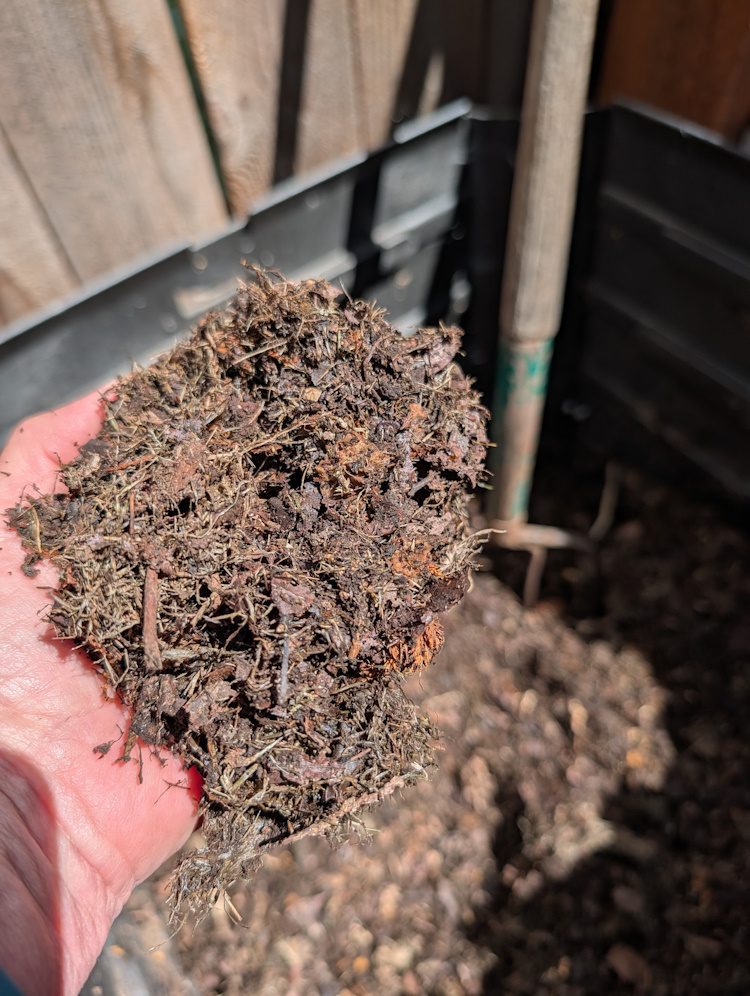
Organic mulches such as straw, shredded leaves, or pine needles, as well as compost, not only keep your soil cooler but also enrich it over time. Grass clippings are also highly beneficial when applied lightly—too much can become a moldy mess. Just be sure they’re free of herbicides or other lawn chemicals.
Finally, keep the wood chips and bark on your garden pathways, not in your garden, as they can rob nitrogen from the soil as they break down.

The Shady Side of Summer
There’s a big difference between plants getting the sunlight they need to thrive and heat stress. It’s true, most veggies in your garden need at least 6 hours of sunlight a day, but that can quickly become too much during a heat wave.
And while it sounds counterintuitive, our heat-loving vegetables, such as tomatoes, peppers, eggplant, and beans, don’t perform well in scorching conditions. Blossom drop, caused by incomplete pollination, often occurs in many plants when temperatures rise above 90°F.
Then there’s the risk of sunscald, often a white, leathery patch that appears on the fruit’s skin when it’s exposed to intense sunlight for extended periods.


This is where shade cloths shine—and they’re not just for commercial growers. Every gardener should have one in their shed for those weeks when temperatures rise and stay above 90°F.
Shade cloths are made from lightweight, sun-blocking material and can reduce the ambient temperature by up to 10 degrees, helping to keep the soil cool.
Shade cloths come in various weaves that indicate their specific light-transmission level. For example, a 40% shade cloth will block 40% of the sun’s UV rays and allow 60% of light to pass. This level is actually the sweet spot for sun-loving veggies (tomatoes, peppers) that need relief from the scorching heat.


Shade cloths are inexpensive and come in various sizes—many are sold as complete kits that include poles or support pieces. They’re readily available online or from nurseries.
Let the Soil Do the Work
Here’s something you may not have considered: your best defense against summer heat isn’t your hose—it’s your soil. Healthy soil acts like a sponge, absorbing water during irrigation or rainfall and slowly releasing it to plant roots when they need it most.
Everything we do as gardeners comes back to building healthy soil. Adding organic matter, such as compost or well-rotted manure, improves soil structure, creating countless tiny spaces that hold both water and air. These spaces allow roots to grow deeper, beneficial microbes to thrive, and plants to better withstand periods of heat and drought.
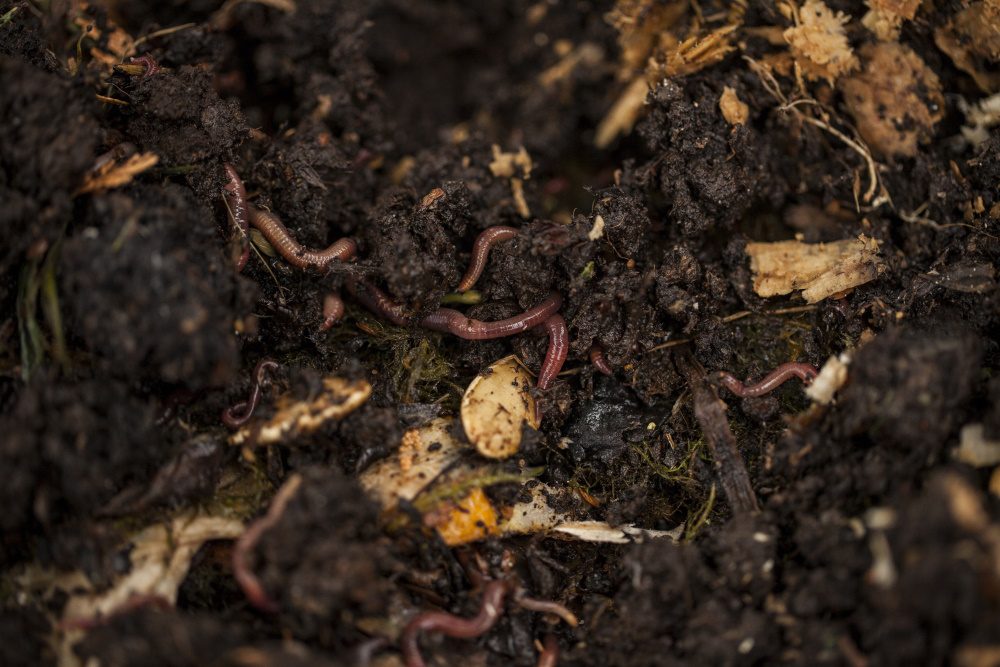
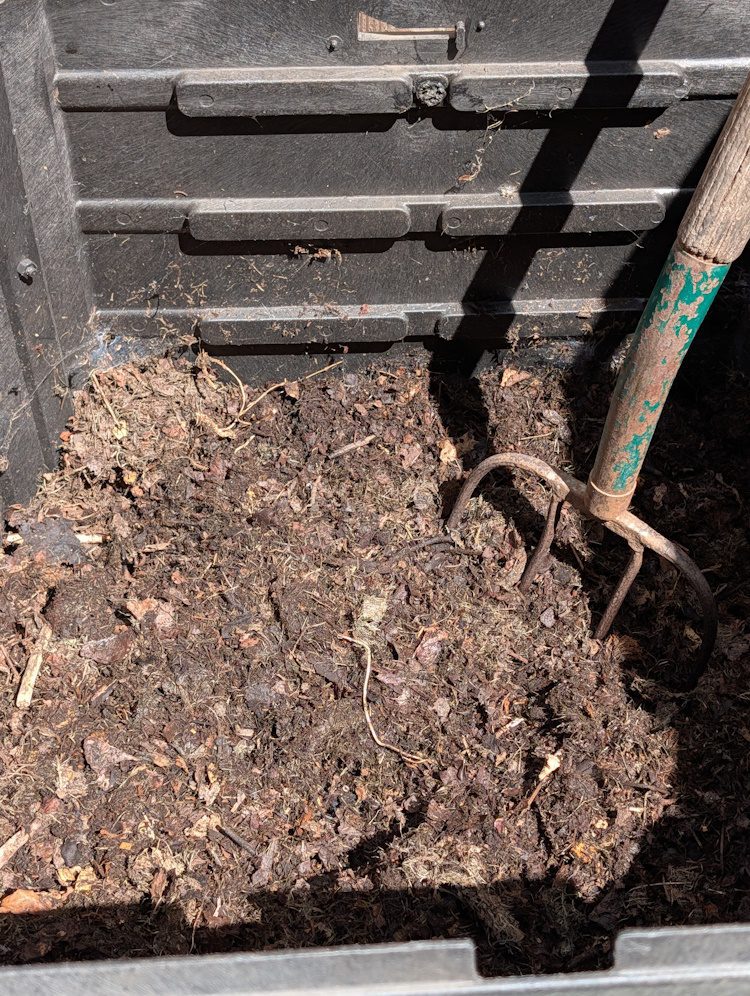
During extreme heat, resist the temptation to over-fertilize or repeatedly cultivate the soil. Extra fertilizer promotes tender new growth that’s more vulnerable to heat stress, while excessive cultivation dries the soil and disrupts the living organisms beneath the surface.
Remember, healthy plants begin with healthy soil—and the work you put into your soil today will pay dividends long after this summer’s heat has passed.
Sunny Days Ahead
Summer gardening isn’t about keeping plants perfectly comfortable. It’s about helping them weather the season with less stress and greater resilience. Thoughtful watering, a layer of mulch, healthy soil, and a bit of afternoon shade can make the difference between plants that merely survive and those that continue producing through the summer.
When the next heat wave rolls through, don’t panic or reach for the hose just yet. Instead, take a slow walk through the garden. Check the soil, notice what your plants are telling you, and trust the systems you’ve put in place. Your garden is often more resilient than you think—and sometimes the smartest thing a gardener can do is let nature do some of the work. Iced tea, anyone?




Leave a Reply