“It must be true; I saw it on social media.”
Any gardener who’s spent time scrolling social media has come across miracle garden tips claiming to do everything from boosting tomato production to preventing diseases. Since gardening advice has always been passed from one gardener to another, it’s no surprise these home remedies have developed such a loyal following.
Some advice is rooted in research; other tips are rooted in tradition—like the way Great-Aunt Bertha gardened in the 1940s. Sometimes those traditions are harmless. Other times, they waste time and money or even create new problems.
So, let’s play a little game. Garden myth or garden truth?
#1 Eggshells Prevent Blossom End Rot
Survey Says: Myth
This is one internet tip that won’t die, and every spring gardeners faithfully crush eggshells into planting holes. Blossom end rot (BER) is rarely caused by a lack of calcium in the soil, as most soil in our region has sufficient calcium levels. BER is usually caused by inconsistent watering, which interferes with calcium transport within the plant.

Adding eggshells to the planting hole will not prevent BER; furthermore, eggshells can take years to decompose. While eggshells won’t hurt the plant, they won’t help either. And the same applies to TUMS antacid tablets or calcium sprays, so don’t waste your time or money.
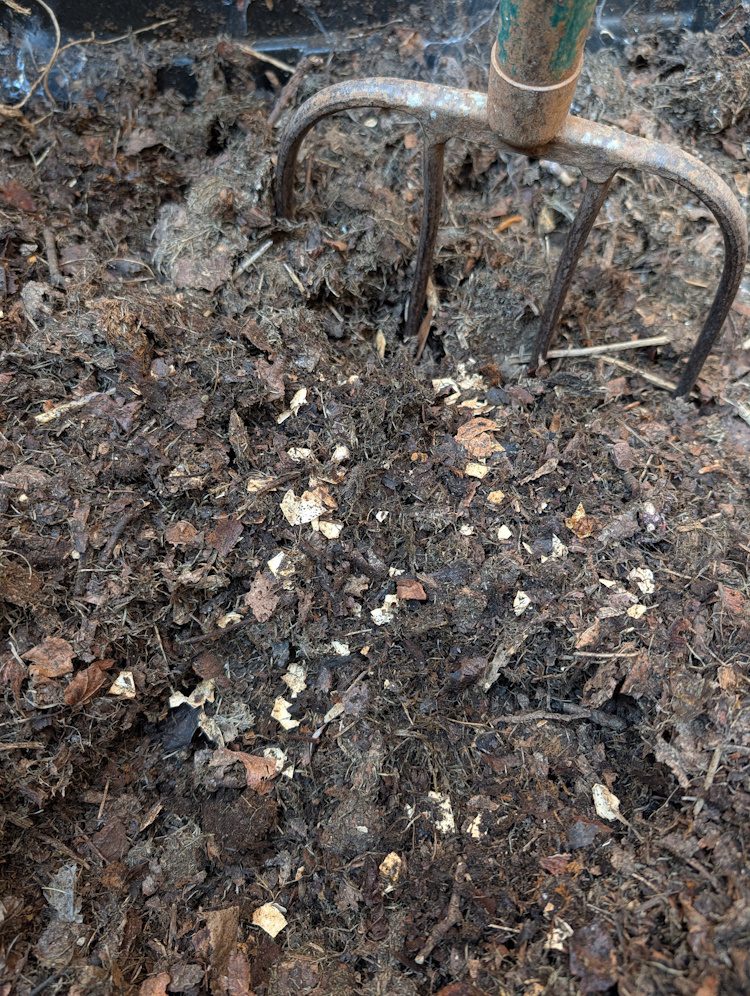
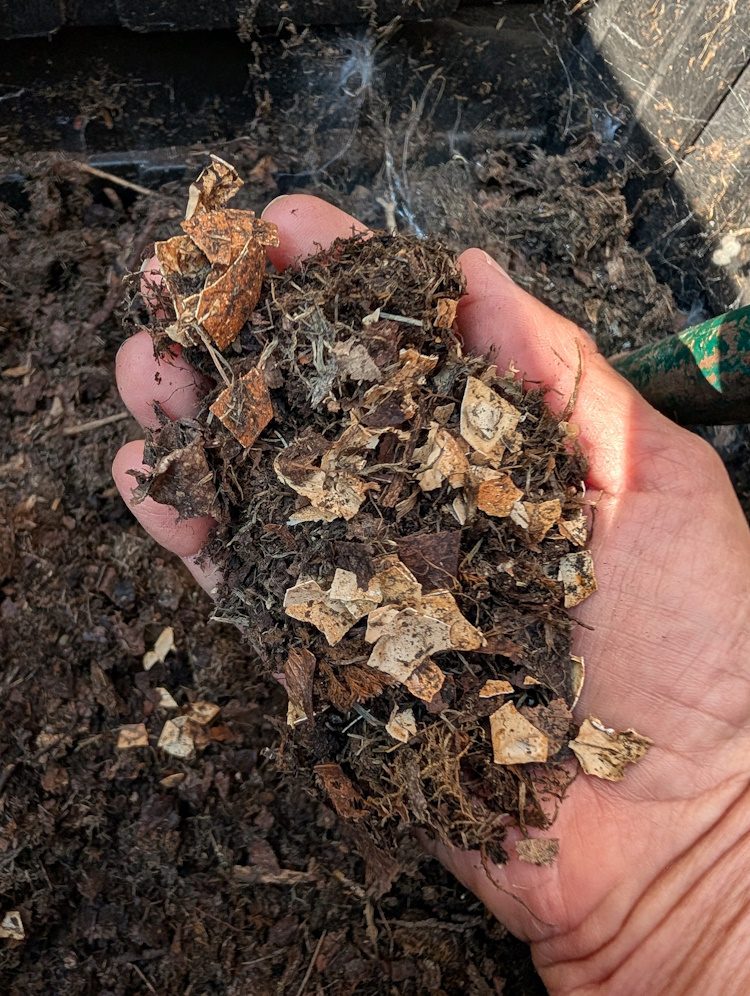
A better solution is consistent watering and mulching to maintain moisture levels. Extension research consistently supports this approach.
#2 Epsom Salt Makes Peppers and Tomatoes Grow Better
Survey Says: Mostly Myth
This gardening tip may be the most widely circulated one on social media. The magical claims for Epsom salt include sweetening tomatoes, increasing blooms, preventing blossom end rot, greening leaves, and increasing fruit production. Big claims – not all true.
Epsom salt is magnesium sulfate, and unless your soil actually lacks magnesium, it does nothing beneficial—no boosting growth and certainly not preventing blossom end rot. In fact, excessive magnesium can interfere with calcium uptake and worsen blossom end rot.
Unless a soil test shows a magnesium deficiency—which is uncommon—there’s no reason to add Epsom salt. Your local Extension office or Master Gardeners can help interpret soil test results if you’re unsure.
It’s easy to get caught up in quick fixes, but be cautious of adding nutrients your soil doesn’t need. Doing so could even harm your soil and plants. My advice: Keep the Epsom salts for yourself for a nice tub soak after a long day working in the garden.

#3 Water Droplets Can Burn Leaves
Survey Says: Myth
This myth refuses to die. There are many reasons plant leaves may appear burned or scorched: heat stress, drought, leaf diseases, or chemical injury. However, sunlight reflecting off water on a leaf is not one of them.
The magnifying-glass effect doesn’t happen outdoors. Water droplets flatten on the leaf surface instead of acting like tiny lenses, and they usually evaporate long before they could generate enough heat to damage plant tissue.


Watering the garden in the morning and at the base of the plant is highly recommended because any wet foliage dries quickly, reducing the risk of fungal disease.
#4 Vinegar Is a Safe Natural Weed Killer
Survey Says: Half True
This one has nuance. Social posts often show dead and dying weeds soon after spraying with household vinegar. Some of this is true—as an acid, household vinegar’s desiccating properties will kill small, not-yet-established annual weeds.
However, household vinegar (5-7% acidity) rarely kills plant roots and has little to no effect on perennial weeds—they may look as though they are dying, but they just grow back. Vinegar is not a selective herbicide and will damage anything it touches, meaning overspray or drift can harm desirable plants.
Note that this applies to household vinegar, not horticultural-strength vinegar, which is a highly concentrated form of acetic acid (20 to 45% acidity) and requires eye and skin protection. This product should be used with caution.


Natural (or organic) doesn’t always mean safe. Always read and follow the directions on the label. Household vinegar for pickling cucumbers? Yes. For weeds in the cucumber patch? Hard pass.
#5 More Fertilizer Means More Tomatoes (Peppers, etc.)
Survey Says: Myth
What gardener doesn’t want a tomato plant full of juicy, ripening fruit? None. Yet many gardeners defeat themselves by creating large, lush plants with no fruit due to over-fertilizing.
Tomatoes, peppers, cucumbers, and squash are indeed heavy-feeders, meaning they require abundant nutrients to produce a crop. However, continually applying synthetic “miracle” fertilizers, or any product high in nitrogen, will not produce more fruit, just an abundance of leaves. Plus, over-fertilizing can cause blossom drop and root burn.

A better approach is to fertilize lightly at planting, then switch to a low-nitrogen fertilizer once plants begin setting fruit. This supports blossoms and fruit instead of excessive leafy growth.
When applying any fertilizer, read and follow the instructions – more does not mean more when it comes to feeding your plants.
Bonus Round: Two Garden Truths That Really Work
After all those myths, let’s finish with two garden truths that really do work.
Truth #1: Mulch Really is Garden Magic
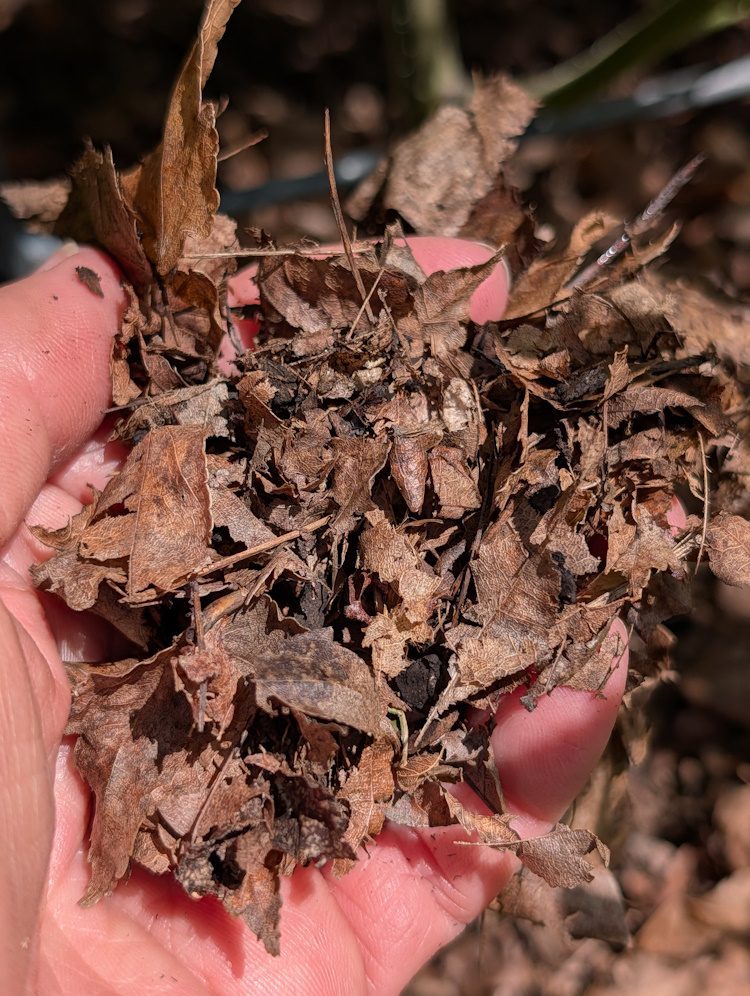
Unlike many internet remedies, mulch actually delivers on its promises. Mulch is one of the best investments you can make in your garden.
Mulch conserves soil moisture, moderates soil temperature, and suppresses weeds. It also helps reduce soil-borne diseases from reaching plants through water splashes. Finally, as it breaks down, it feeds soil microbes and improves the soil.
Truth #2: Healthy Soil Solves More Problems Than Any Product
A garden will only be as healthy as its soil. When soil is enriched with organic matter, such as compost or rotted manure, the need for additional fertilizer or other plant-enhancing products is reduced.
Healthy soil teems with microorganisms that support stronger plants and better natural resistance to stress. And all that organic matter provides ample space for air and water within the soil structure, enabling it to retain moisture while improving drainage.
The bottom line: Healthy soil solves more problems than any miracle product ever will.

So How’d You Do?
If you believed a few of these myths, don’t feel bad—you’ve got plenty of company. Gardening has always been built on sharing knowledge, and sometimes those well-intentioned tips are passed along for generations before science catches up.
Before trying the next miracle garden hack, ask yourself one simple question: Is there research supporting it, or is it just another social media sensation?
When in doubt, build healthy soil, water wisely, mulch generously, and let sound gardening practices—not internet trends—do the heavy lifting.
Related Posts
How to Prevent and Manage Blossom End Rot in Your Garden
Compost Vs. Fertilizer: How To Choose The Best For Thriving Soil And Vibrant Plants
How to Keep Garden Plants Thriving During Summer Heat





Leave a Reply